

Y Pwyllgor Iechyd a Gofal Cymdeithasol - Y Chweched Senedd
Health and Social Care Committee - Sixth Senedd
27/11/2025Aelodau'r Pwyllgor a oedd yn bresennol
Committee Members in Attendance
| James Evans | |
| John Griffiths | |
| Joyce Watson | |
| Mabon ap Gwynfor | |
| Peter Fox | Cadeirydd y Pwyllgor |
| Committee Chair |
Y rhai eraill a oedd yn bresennol
Others in Attendance
| Albert Heaney | Llywodraeth Cymru |
| Welsh Government | |
| Alex Slade | Llywodraeth Cymru |
| Welsh Government | |
| Dawn Bowden | Y Gweinidog Plant a Gofal Cymdeithasol |
| Minister for Children and Social Care | |
| Hywel Jones | Llywodraeth Cymru |
| Welsh Government | |
| Jeremy Miles | Ysgrifennydd y Cabinet dros Iechyd a Gofal Cymdeithasol |
| Cabinet Secretary for Health and Social Care | |
| Sarah Murphy | Y Gweinidog Iechyd Meddwl a Llesiant |
| Minister for Mental Health and Well-being | |
| Sioned Rees | Llywodraeth Cymru |
| Welsh Government |
Swyddogion y Senedd a oedd yn bresennol
Senedd Officials in Attendance
| Amy Clifton | Ymchwilydd |
| Researcher | |
| Karen Williams | Dirprwy Glerc |
| Deputy Clerk | |
| Sarah Beasley | Clerc |
| Clerk |
Cynnwys
Contents
Cofnodir y trafodion yn yr iaith y llefarwyd hwy ynddi yn y pwyllgor. Yn ogystal, cynhwysir trawsgrifiad o’r cyfieithu ar y pryd. Mae hon yn fersiwn ddrafft o’r cofnod.
The proceedings are reported in the language in which they were spoken in the committee. In addition, a transcription of the simultaneous interpretation is included. This is a draft version of the record.
Cyfarfu’r pwyllgor yn y Senedd a thrwy gynhadledd fideo.
Dechreuodd y cyfarfod am 09:30.
The committee met in the Senedd and by video-conference.
The meeting began at 09:30.

Good morning and welcome to the Health and Social Care Committee meeting this morning. Can I welcome everybody here today? Can I record apologies from Lesley Griffiths? The meeting is bilingual and there is simultaneous translation from Welsh to English available. Can I ask Members if there are any interests they would like to declare? No. As usual, if you find something as you go through, please let us know.
Today we've got a really important session where we will be taking evidence on the budget, and it's a pleasure to have with us today Cabinet Secretary and Ministers. Could I ask everybody to introduce themselves for the record, please?

Bore da. Hywel Jones, director of finance.
Bore da. Alex Slade, director of primary care, mental health and early years.
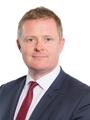
Jeremy Miles, Cabinet Secretary for Health and Social Care.

Dawn Bowden, Minister for Children and Social Care.
Bore da. Albert Heaney, chief social care officer.
Bore da. Sioned Rees, director of public health protection.
And Sarah.

Hello, I'm Sarah Murphy, and I'm the Minister for Mental Health and Well-being.
Great, thank you, all. Welcome, and thanks for giving us so much time today. We do have a couple of hours of questions. It's such an important topic, so we did think we'd probably have a little break after about an hour for a few minutes.
So, with that, then, I think we'll kick straight off into questions, if that's okay, and I'll make a start. I just want to look around at strategic planning and transparency. I think we all acknowledge the massive pressures the health system is under at the moment, and the pressure that's going to increase. And I was just recognising the budget uplift this time—do we really think this is the best we can do from a budget perspective, recognising all of those pressures?
Well, you're right, Chair, to say that there are a very significant range of pressures on the health budget, and the settlement, as it appears in the draft budget, doesn't meet those pressures. But as you will have heard, I imagine, a range of Government Ministers saying, we very much regard this as the first stage in the process. And although it allocates the overwhelming majority of the budget, and although obviously it builds in the significant Welsh Government increase across the board last year, there is money that remains to be allocated, and we want to see as much of that allocated to public services, in our case to health and social care, so that we can meet those additional pressures that the current settlement would not enable us to meet. But there is a process under way and, you know, we are engaging with other parties in relation to that, as you obviously know.
There are opportunities for the NHS to be more efficient and more effective in delivering some services. I'm sure over the course of the morning, we will touch on some of that, Chair. But equally, there is a need for an appropriate level of funding to make sure that the core service is able to be discharged, which is why, obviously, we are making the case for additional funding in those negotiations. But you'll appreciate the detail of that is not something we can get into in this discussion.
So, this is a starting point for the budget, then, and hopefully you'll be making a challenge against the unallocated moneys and any new moneys that might be coming forward to supplement what we've already got.
Well, I hope there'll be—and I expect there would be, to be fair—a view right across the Senedd that we need to make sure that the health service has access to the funding that it needs in order to be able to discharge the functions that it has at the scale, to reflect the inflationary pressures that it faces, to reflect the pressures of demand that it faces, and obviously, alongside that, to be doing everything it can to deliver some of those services in a more effective way. There are a range of things that we are asking the health service to do that mean that it will be able to do more with the same resource base. We've talked many times, haven't we, about the cataract work in particular, but there are lots of other examples. But I think it is important, alongside that work to improve the efficiency and productivity of services, which we know also leads to better outcomes, that we make sure the health service has the appropriate level of funding that it needs, obviously.
I'm sure health boards are going to be anxious, because the 2 per cent uplift only really equates to a just over 0.5 per cent, in real terms, increase to them all. They'll be hoping you also manage to lever some more money into the settlement. But if you don't, how do you anticipate health boards will actually manage with their rising pressures, with quite a constrained or certainly standstill budget?
Just to repeat what I've just said, I hope very much that we don't end up in that position. I'm sure we all hope that, obviously, so that's why these discussions are very important and have very real-world consequences. So, we've worked with the health service, obviously, and with NHS Wales Performance and Improvement, in particular, to model the pressure of inflation, to model the likely pressure from demand. We do that every year and that gives us an understanding of the level of funding that we think the health service will need. Obviously, where the funding that is able to be provided doesn't meet that, clearly there is a challenge.
So, what we have tried to do—we did this last year, we'll be doing it again this year—is to try and simplify the planning framework, for example, so that it's more readily identifiable what the areas are that we want the health service to maximise its focus on, recognising that it does a range of other things as well, which, inevitably, it must continue to do. But you will know from the discussions we've had in previous committee sessions around the enabling actions that I mandated for the health service last year, many of those have two outcomes, which is why they are on that list: delivering better health outcomes, but, obviously, delivering better value for money as well. We know that if those can be implemented, that will remove some of that immediate pressure by creating more sustainable services. Some of those things are quite challenging, some of them are at the more deliverable end, so there's a mix in there, but that's part of what we've done to try and work with health boards in relation to that.
You will know as well about the priorities that I've set out as a consequence of the ministerial advisory group. So, all of these have been expectations during the last year, and my aim, for the forthcoming year in the planning and framework work that's happening at the moment, is that we don't move too far away from those approaches. They're there because they are the right things to do. Not all of them can be delivered in a year, there's quite a material number of them that still need to be delivered, so there will be some changes in the year ahead, and my officials have already been talking to NHS organisation chief executives around what they might be, but I think we would all recognise that the task of transforming those services to make them more value for money, more sustainable, can't all be done over a matter of months, so I think when they get published you will see some clear similarities.
Thank you for that. Obviously, it must be difficult planning for the budget in the absence of the planning framework and allocation letter. Now, this is an issue we raised last year, the fact that we didn't have—. Well, I wasn't here then, but the committee was concerned that they hadn't had the various documents in place needed for full scrutiny. I think at the time you agreed with the committee and there was certainly going to be a different approach, a single streamlined approach in a few years, and we haven't seen that this year. We're in the same position where we haven't got that planning framework and allocation letter, and I just wonder what interim guidance is being used, then, to inform the 2026-27 budget in that absence, and perhaps you could give us an indication of when it might be published as well.
Certainly. So, that is, in a sense, a deliberate choice, Chair. I'll give you some context to that. Last year, we published the planning framework and the financial allocation letters at the same time. It has generally been quite unusual that we've been able to do that, and I don't mean just for the NHS in Wales, I think for the NHS in other parts of the UK as well. And it was really welcomed by health organisations that we were able to do that because it gives them, if you like, the full picture, the planning environment on this at the same time as the allocation, so that gives them the opportunity to align those two things. We are working to the same time frame and the same ambition this year. So, my expectation is that we will issue those letters together before Christmas, which is roughly what we did last year.
As I just mentioned in passing, Chair, my intention is—. There will be some changes, which we've already been discussing with health organisations over the summer, as they start to work up the plans for the following year. I mean, planning is essentially, as you would probably expect, a year-round process, really, anyway. But we've already been talking to health organisations about our approach, and really it's about providing the kind of clarity that we had in last year's framework, but with a stability as well, so it'll look familiar. There will be some changes, Chair, but there will be familiar themes in there, if you like.
Okay. So, are health boards expressing any concern at the lack of this, that it might affect their integrated medium-term planning?
No. I think the concern, which we are all expressing, is a challenge about the resources available to the health service, but that's what we're here to discuss today, isn't it? But in terms of the approach that we are taking to issuing both the planning framework and the allocation letter together, I think the approach that I've decided to take in terms of, you know, broad stability, if I can put it like that, that is obviously welcomed. There will be changes, and we've started to talk to health boards over the summer about what some of those are. Frankly, some of it is a practical response; if you look at the enabling actions that I set out last year, lots of those have been completed, so clearly it's about what the next iteration of those is. But also, over the course of the year, there have been some additional things that have emerged that we have given focus to. They all have their footings, if you like, in the planning framework anyway, but I think health boards would have said, 'Well, there's more activity happening here than we probably anticipated', so it's a way of bringing all of those things together, in a kind of 'no surprises' way, I think.
Okay, right. Thank you for that clarity. I'll take the next section, I'll move on to the health board financial position, and we'll look a little bit closer at that. I just wondered what steps you are taking to improve transparency in how health boards allocate funding and set their spending priorities, particularly in the light of the committee's previous concerns about that unclear prioritisation and reliance on central funding to cover deficits.
Well, I think some of that has been about the approach that I'm taking to the planning framework, which is to be very clear. In broad terms, the message, which I think one is, from parts of the health service is that there's a range of targets, there's a plethora of measures, 'Which of these are the most prioritised; can you help us streamline that?' So, that's what I decided I would do last year, was to try and streamline some of that, recognising, as I said earlier, Chair, that there's a range of services and functions and activities that the NHS necessarily will and must continue to deliver, which won't be on that shorter list. It's the inevitable consequence of running a very complex organisation as it is. But, really, it was about streamlining the measures that we will apply and most talk about, if you like, which I think has been welcomed. The flip side of that is that I expect them to be delivered, and I think that expectation is very clear. So, more clarity, more streamlining in that approach.
And then, from a kind of—I think you touched on the transparency with which this is undertaken. So, obviously, it's then the task of health boards to devise their plans, those are all public, they're all dealt with in the public parts of health boards' meetings, board meetings. This year, as well, we've published more information in terms of performance statistics, so that people can have a more informed discussion about where we are, in terms of some of the activities, and we'll want to do more and more of that, as I made clear in the transparency statement I issued a few weeks ago. Then, most recently, we started the first cycle of public accountability meetings, which has been, I think, a good opportunity to dig into some elements of planning. There's always a tension, bluntly, in those meetings between discussing current performance and planning for the future—you know, both tasks are necessary. So, there's been an effort as well to make that a more transparent experience.
You'll be monitoring, obviously, all health boards so that they can all offer that transparency in a similar way, so, hopefully, patients and residents will see those things.
Yes, and you'll recall, Chair, maybe, that some of the recommendations in the ministerial advisory group report, which came out in April, were very much in the space of a common approach between health boards to some of the ways in which data, which is often already available, is reported so that it's easier for us to be able to compare it, and for the public and other organisations to scrutinise it. So, there's a range of initiatives in that space as well, whether it's about productivity—a dashboard that is consistent across Wales, so that health boards can report on those elements in a more intelligible way. That work is already under way as a result of the recommendations as well, and that will help, next year and beyond, on questions to do with transparency, I think.
Sorry, James, did you want to come in?

Yes, I'm just interested, Cabinet Secretary, in the way that we fund our health boards across Wales, since we're talking about financial positions and the rest of it. Do you think the way that the Welsh Government funds health boards currently helps the Welsh Government deliver on its targets, in terms of waiting lists, cancer outcomes and the rest of it? If you look across the border in England—you'll all say that I reference England quite a bit on payment on results and payment on outcomes, as that's how NHS England pay health boards and health trusts in England. Do you think that, sometimes, our fiscal framework doesn't help deliver on some of those targets that the Welsh Government want, as it would just provide blocks to health boards to provide a service, rather than actually driving on outcome?
Well, I guess you're making a point about the fundamental structure of the health service, really, aren't you, which is to some extent—well, it is different in Wales from England. I'm not sure that that's the key driver of the difference, personally. I think the approach that we've had for a very long time in Wales is to recognise that health boards are best placed to define the needs of their local populations, and they have statutory duties to do that.
So, I suppose there are two different approaches that we take. One is an allocation of budget to health boards to deliver on that range of services, but the range of services is defined by the planning framework, effectively, and a number of other policy tools, but basically in that. And then, the task for us, as Ministers, and for health boards, with their executive and operational teams, is to make sure that there's an alignment between the two and that one supports the discharge of the other. I think the challenge in that space for us, and I think this is probably common to others, but, you know, it's certainly the case for us, is to make sure that the data that we capture and report on is able to provide that transparency of the linkage between the two, and if not, that we can do something about it, or health boards can do something about it.
But there's also a separate approach, which you'll be, I think, familiar with now, which in the last year I think we've probably done more of—that’s my impression, certainly—which is to issue additional funding where that is very closely based on specific conditions that must be met, and if they're not met, the money is clawed back. I think that has driven different behaviours, in terms of elements of the service. So, for example, parts of the planned care programme are paid for, effectively, in the way that you described—so, they're paid for in arrears, if you like, based on performance. It's obviously a small element of the overall multi-billion-pound budget of the health service, but I think what it has shown us is that where there are particular challenges, hopefully temporary, which we're trying to solve with specific interventions, linking those very clearly to specific deliverables, paid in arrears, if you like, and with the understanding, which has been very clear, that funding will be reallocated, and it has been, where that isn't met—I mean, there aren't many examples of that, thankfully, but it has actually happened—I think it has been effective, so it's about striking that balance, isn't it? I think, in reality, with the system that we have, that approach will only ever be in relation to specific elements of the system, but it has shown some benefits of that mixed approach.
Thank you.
Okay. Thank you, James. Cabinet Secretary, with so many health boards in deficit or under financial escalation, I just wonder what contingency measures you have in place to safeguard service continuity. Could you explain how the Welsh Government is intervening to support the financial recovery and mitigate any risks as a result of it?
I suppose most of them are the ones I've touched on already, Chair. So, about how we deliver services differently, service reconfigurations are some of the sorts of things that you're touching on, I think, in terms of sustainability. There's clear guidance in relation to those sorts of things. I think they're the measures we've already been talking about, really. Making sure that we provide the resourcing that we can. There are specific initiatives to get the system back into balance, if you like, which is what the planned care programme is designed to do for the course of this year. Then, I think it's that blend of specific intervention and making sure we provide the best allocation we can, looking at the pressures that the health budget and the Welsh Government's budget face overall.
Just looking at reducing health boards' dependence on centrally retained funding, I just wonder what lessons are being learned and applied to strengthen budget setting, oversight and accountability mechanisms for 2026-27.
I'll ask Hywel to talk a little bit about the approach we've taken to the control totals, which is really about how we make sure that we get the health boards onto the right track on this.
Diolch yn fawr. Morning, Chair. If I put this in context, since 2023-24, when the NHS was forecast at a deficit of £648 million, we've put a very clear control framework in place and sought to build on that. That includes a range of actions, which is about the service delivering an increase in savings. So, if you include this year, over the last four-year period, the service would have delivered around £1 billion in savings, around £600 million of which is recurrent. Addressing variation, in the way the Cabinet Secretary's described. Putting sufficient funding in to keep the wheels on, so to speak, in terms of unavoidable demand and inflation, as per our earlier conversation. Then, targeted funding and conditions that have been strengthened.
I think what's been important, in the context of what the Cabinet Secretary set out around transparency and accountability, is a consistent and equitable framework, no bail-out, and where organisations are submitting plans and commitments, expecting those to be met. The £86 million we retained this year was funding that directly offset the target control totals that we set last year, simply. We had an expectation coming into this year that organisations would deliver balanced plans, and if they were unable to do so, they would look to achieve plans that met the target control total. I think some health boards have responded well, others less so. So, we've got variation in terms of that position across the seven health boards. We will retain that funding centrally until we've got a clear route-map, basically.
Our strategy is, to summarise what lessons are we taking and how we are applying that going forward: looking to provide an appropriate level of funding to the system to meet inflation and demand, driving a high ambition in terms of addressing variation and savings, and having a route-map for organisations in deficit that can be supported, and then strengthen the accountability around that.
Thank you, Hywel. Mabon, would you like to come in?

Ie, diolch. Ar hynny, mae yna rai byrddau iechyd sy'n cyrraedd eu cyllideb nhw a ddim yn gorwario, ac mae yna eraill yn gorwario tipyn. Sut ydych chi, yn y cyd-destun yna, yn monitro gwastraff o fewn gwariant byrddau iechyd? Pa gamau ydych chi'n eu cymryd i sicrhau bod pob un llinell o wariant cyllidebol y byrddau iechyd yn gyfiawn?
Yes, thank you. On that point, there are some health boards that stick within their budgets and don't overspend, and others overspend a fair bit. In that context, how do you monitor waste in terms of expenditure within health boards? What steps do you take to ensure that every line of the budgetary expenditure by health boards is justified?
Mae'n gwestiwn pwysig. Beth rydyn ni'n gwybod yw bod modd diffinio gwastraff yn y gwasanaeth iechyd mewn ffyrdd sydd yn ehangach, byddwn i'n dweud, nac efallai y byddech chi'n gweld mewn ambell i gyd-destun arall. Felly, os ydych chi'n cael eich hanfon at apwyntiad nad oes ei angen arnoch chi, os ydych chi'n aros am apwyntiad yn rhy hir, os ydych chi ddim yn troi lan i apwyntiad sy'n cael ei gynnig i chi, mae'r rhain i gyd yn elfennau o wastraff, byddwn i'n dweud, ac maent yn cael effaith andwyol ar yr unigolyn, ar y claf, ond hefyd ar gynaliadwyedd ariannol y corff. Felly, mae'r holl bethau yma'n cael eu monitro ac yn cael eu mesur.
Byddwch chi'n cofio'r newid wnaethon ni yn gynharach eleni, rwy'n credu, i'r rheoliadau o ran apwyntiadau, ac roedd hynny ar sail y ffaith ein bod ni'n gwybod faint o apwyntiadau oedd yn cael eu colli pan fyddai pobl jest ddim yn troi i fyny neu ddim yn gallu dod, neu beth bynnag. Mae hwnna i gyd ar sail monitro eithaf manwl. Felly, rŷn ni'n gwybod, ar gyfer pob bwrdd iechyd, beth yw canran y bobl sydd ddim yn dod, ac mae hynny'n amrywio. Rŷn ni'n gwybod beth yw canran y rhai sy'n trosglwyddo o restr ddiagnostig i restr driniaeth. Felly, mae'r manylion hyn gyda ni. Mae cyrff yn adrodd ar hyn. Wrth wraidd y rhaglen enabling actions oedd gyda ni eleni ac a fydd gyda ni'r flwyddyn nesaf, mae data sydd yn dweud beth yw'r pethau sydd yn fwyaf effeithiol o ran gyrru'r newidiadau yma rŷn ni eisiau eu gweld. Felly, rŷn ni wedi dewis y pethau yna ar sail yr impact maen nhw'n eu cael ar gyfer y math yma o her, a hefyd y gwelliannau sy'n dod o ran outcomes ar gyfer cleifion. Felly, mae hynny'n digwydd.
Heb fynd yn ôl i'r pwynt cyffredinol, achos rydych chi'n gofyn cwestiwn manwl, dyna rili beth sydd wrth wraidd y rhaglen ddiwygio yn gyffredinol. Os ydyn ni'n gwybod y gallwn ni yrru hyn allan o'r system, a gyrru amrywiaeth lle nad oes sail glinigol i'r amrywiaeth honno allan o'r system hefyd, mae hynny'n sicr yn mynd i gymryd camau ymlaen o ran cynaliadwyedd y gwasanaeth iechyd. Felly, bydd mwy o waith rhanbarthol, a mwy o gydweithio clinigol rhwng byrddau iechyd, fel bod prosesau ar y cyd yn mynd i wneud gwahaniaeth yn y tymor hir. Mae peth o hyn yn digwydd yn barod, ac mae'n dangos canlyniadau positif. Rŷn ni wedi gweld cydweithio yn y de-ddwyrain ar orthopedeg a thriniaeth llygaid, ac rŷn ni'n gweld bod hynny'n gwneud gwahaniaeth yn barod. Felly, ar sail y data rŷn ni'n ei gasglu, rŷn ni'n gallu gwneud y penderfyniadau hynny.
That's an important question. What we know is that it's possible to define waste in the health service in a way that is broader, I would say, than perhaps what you would see in some other contexts. For example, if you're sent to an appointment that you don't need, if you're waiting for an appointment for too long, if you don't turn up to an appointment that you're offered, all of these are elements of waste, I would say, and they have a negative effect on the individual, on the patient, but also on the financial sustainability of the body. So, all of these things are monitored and measured.
You will remember the change we made earlier on this year to the regulations in terms of appointments, and that was on the basis of knowing how many appointments were being missed when people just weren't turning up or that they couldn't attend. All of those things are based on quite detailed monitoring. So, we know what the non-attendance percentage is for each health board, and that can vary. We know what the percentage is of people who are transferred from a diagnostic list to a treatment list. We have all of these details, as the health boards report on them. At the core of the enabling actions programme we had this year and we'll have next year too, we have data that provides information about the most effective way of driving the changes we want to see. So, we've chosen those things on the basis of the impact that they have in relation to these kinds of challenges, and also the improvements made in terms of the outcomes for patients. So, that's happening.
Without going back to that general point, because you're asking a detailed question, that's really what's at the core of this change programme. If we know that we can drive this out of the system, and also drive variation that doesn't have a clinical basis out of the system, that's certainly going to take us forward in terms of the sustainability of the health service. So, there'll be more regional work, and more collaborative clinical working between health boards, so that processes done collaboratively will make a difference in the long term. Some of this is already happening, and it shows positive results. We've seen collaboration in the south-east on orthopaedics and eye treatment, and we can see that that's already making a difference. So, on the basis of the data that we collect, we can make those decisions.
Diolch.
Thank you.
Can I bring James in, and then Joyce after?
On this point, Cabinet Secretary, it is important that health boards balance their budgets, and I totally agree with that, but it's about making sure they do it in a way that doesn't impact on patient outcomes, because what you tend to see in organisations is they cut the easy things first and they take away front-line services, unfortunately, and don't do that organisational, perhaps, restructuring and change that needs to happen. I'm just interested, from a Welsh Government perspective, in terms of budgeting, for a health board that I represent—say, Powys, for example, which doesn't really deliver any secondary services—what sort of funding can the Welsh Government provide in terms of that organisational change funding, the pump-priming funding, so you can do more digital services, so you can do that organisational change, which sometimes organisations are frightened, in terms of their own budgets, to reallocate money for? It's the invest-to-save model that I always look at it as. I'm just wondering what the Welsh Government's view is on that, with some central funding to enable that to happen.
Well, I think, on digital, which you mentioned, in many ways, that's the premise on which we fund digital—that transformational basis. But you make a very important point, I think, about how one strikes a balance between funding that, if I can put it like this, keeps the show on the road on the one hand, but also—. What I recognise, actually, is often a need for some element of temporary double funding in order to be able to make the change. So, a very good example of this is in relation to what we all recognise as the shift left. So, obviously, we all know that you can't simply turn off a service in a secondary setting on a Friday and open it in a primary setting on a Monday. It doesn't work in that linear, direct way, and there's an element of transformation that is required, which means you'll have staff in more than one place, kit in more than one place. I'm simplifying, but that's the general approach. So, I do recognise that that needs an element of additional funding, and we try and strike that balance in the funding that we provide.
What I was really clear about this year, in relation to the additional funding that we provided to the service around additional out-patient appointments, but also some of the planned care initiatives, is that that couldn't simply be buying in additional capacity. Some of it has, obviously, been spent on that for reasons that we would all understand, but it needs also to be funding some of those changes, and health boards have been using it for that purpose, perhaps not to the extent that I would have liked, if I'm honest. However, that has happened and it has shown that those things do deliver better outcomes and better value for money. So, doing that increasingly at scale is what we are trying to achieve.
Joyce.

There is a lot of collaboration going on. It's been driven by funding, and that's really positive. But there are also areas where demand, even with collaboration, is exceeding the possibility of delivery in the way that we would all want but, mostly, the patients want. So, in terms of looking ahead, you will have an understanding about where those hotspots are, if you like, or the blockages are. You mentioned orthopaedics, and we've looked at ophthalmology, and I think, in the west, those are two key areas where demand is definitely outstripping the possibility of delivery in the way that we would like and what patients would like to see. So, in those circumstances, in terms of budget allocation, will you be reviewing that type of delivery? I know, for example, in ophthalmology, at one stage there were significant problems in Hywel Dda. Even though they had many people helping them with those lists, the demand was outstripping the supply of delivering that. So, that's just an example. I could go to orthopaedics and other areas.
We do know, as you say, where those are. I think you used the words ‘pinch points’. Do we know where those pressure points, pinch points are? We do know, and if you look at a Wales-wide picture of where we are furthest away from where we want to be in being able to provide timely care, there are probably five to seven specialties that encompass probably all of that, more or less. Although the picture does vary a little between health boards, there are probably one or two health boards where those are at the most acute. I'm summarising here, obviously. That's a combination of a number of things. Sometimes it's a combination of an absence of sufficient capacity, and so, in those contexts, what we have been doing is buying in additional capacity. Although that's obviously not the long-term strategic approach—clearly, we'd all recognise that—but it's required to bring the system back into better balance in the short term. That's one challenge.
The next challenge, though, is how we design or redesign care pathways in a way that means that demand doesn't arise in the way that it arises now. We know, in stroke, in diabetes, in eye care, there are changes we can make to pathways, and we have a number of those that will have beneficial outcomes in terms of the things that people then present for later on. It can't ever be just about saying, 'Here is a fixed level of demand, it's inexorably going up every year, and the task of the health service is simply to meet that.' That is not really about improving people's health. That's treating sick people. Obviously we must do that, but that can't be the limit of our ambition. So, what we are also trying to do is redesign some of those pathways. You mentioned eye care. We're now doing much more of that in an optometry setting, as you know, and direct referrals, which are removing links in the chain, if you like, which means people are getting their cataract much faster. So, it's a mix of those two things, and there are other factors at play as well, but that's the general picture.
Okay. Thank you. Thanks, Joyce. A couple more questions from me, quickly. We know there's about a £190 million deficit facing the NHS, but we also know you've got about £86 million centrally held within the MEG. I just wonder if you'd give us an indication of how you're weighing the need of some of the challenges those services have, and how you might allocate, or how you are planning to allocate money or prioritise money.
Just to build on the point that Hywel was making, that figure is there to offset the target control totals that we set for NHS bodies last year. Really, what we want to see, what we must see, is each health board on a trajectory that is acceptable to us to get them into a sustainable financial position, to get them, basically, back into financial balance as well as operational balance, which is what we've just been talking about here. So, in a way, the target control totals—I think Hywel used the words ‘staging point’—are an interim arrangement to get back into balance.
I guess, in terms of how that funding is allocated, what seems clear is that each health board's profile is different. I would say each health board's ability to perform against those financial challenges is different. If you were to look, for example, at Cwm Taf Morgannwg, they have delivered financial balance for the last couple of years, which is positive. Joyce was talking about Hywel Dda now. They have been very challenged in terms of delivering a balanced plan in the past. We've seen that changing quite significantly. We've had a balanced plan submitted from Betsi Cadwaladr, which is the first time that's happened—perhaps ever—for a long time. But they are now seeing in-year—. We're looking at the in-year changes to their plan, and that's averse to where we expect it to be. So, we're working with them on that.
Aneurin Bevan are in a similar position, and Swansea bay, Cardiff and Vale, and Powys have, I would say, deteriorated significantly in both of the last two years, so we've taken a different approach with them. For example, we've put in external support for Swansea bay, which is really helping them understand some of the points that Mabon was touching on earlier. You described it as waste, but there are other ways of characterising that inefficient delivery of services. It's a horses-for-courses approach, frankly, Chair, really, but that funding is there to meet the target control totals, and we know what those figures are.
Okay. Thank you for that. A last question from me. You recently made a statement about the increased senior level capacity and operational support to Betsi Cadwaladr health board. Can you confirm that you believe that the changes you need to see can be accommodated in the budget they have, or are you looking to—? Might you need to give more financial support to the health board to manage their—?
No, there's a considerable amount of financial support that the health board gets in any event, for obvious reasons. We've provided £82 million of the strategic funding, which is broadly split equally between supporting their deficit on the one hand, and then the transformation funding, some of which, in response to what James was saying earlier, is that transformation funding to improve service delivery. This is very much in that latter space, so it will need to be paid for out of that allocation.
Okay. That's clear. Thank you very much. Can I invite Mabon in, please?
Diolch, Gadeirydd. Dwi eisiau mynd ar ôl yr elfen ataliol, os caf i. Dŷn ni i gyd yn sôn am yr angen i fynd ar ôl yr agenda ataliol, ac rydych chi wedi cyffwrdd arno fo'n barod y bore yma. Ond, o'r dystiolaeth rŷm ni wedi ei gweld a'r hyn rydyn ni'n ei glywed, does yna ddim ffordd o dracio llwyddiant gwariant ataliol neu fesur canlyniadau hynna neu'r buddsoddiad ynddo fo. A oes gennych chi enghreifftiau o'r flwyddyn yma lle gallwch chi ddangos ble mae'r gwariant ataliol wedi bod yn llwyddiannus a gwella canlyniadau?
Thank you, Chair. I want to discuss the preventative element, if I may. We all talk about the need to pursue that preventative agenda and you've touched on it already this morning. However, from the evidence that we've seen and from what we hear, there is no way of tracking the success of preventative spend or of measuring its outcomes or the investment in it. Do you have examples from this year that you can point to where that preventative spend has been successful and has improved outcomes?
Mae'r CMO wedi sefydlu grŵp, fel mae'r pwyllgor yn gwybod, i edrych ar sut y gallwn ni gyflymu'r gwaith ataliol, ac mae hynny ar sail edrych ar dystiolaeth o'r hyn rŷm ni'n gwybod sydd yn gweithio'n llwyddiannus, ond hefyd sut y gallwn ni fynd ymhellach i dracio, o safbwynt y buddsoddiad ariannol sy'n mynd i mewn i'r gwasanaeth o ran gwaith ataliol, beth yw'r return ar y buddsoddiad ariannol hwnnw. Felly, mae hynny'n digwydd. Ar y llaw arall, mae gwaith yn digwydd i greu fframwaith canlyniadau iechyd—health outcomes framework—i Gymru a fydd yn ein helpu ni i edrych ar hyn mewn ffordd fwy systematig.
Mae gyda ni ddata o ran canlyniadau ymyrraeth benodol. Os edrychwch chi, er enghraifft, ar frechiad RSV, cyflwynwyd hwnnw yn 2024, y llynedd, ac rŷm ni'n gwybod yn barod bod lleihad o rhyw 33 y cant o admissions o fabanod o dan chwech oed wedi digwydd. Mae lleihad o ryw 13 y cant—13.7 y cant yw'r ffigur sydd gyda fi fan hyn—mewn admissions oedolion dros 75. Felly, mae cysylltiad uniongyrchol rhwng cyflwyno'r rhaglen newydd a lleihad yn yr admissions hynny, ac mae ffigurau tebyg gyda ni o ran ysmygu a chlefyd y gwaed. Mae'r cynllun sgrinio cancr yr ysgyfaint yn cael ei ddatblygu ar sail y math yna o ddata hefyd. Felly, mae hynny gyda ni fel data. Fe allaf i rannu mwy o fanylion, os hoffwch chi, yn ychwanegol i hynny â'r pwyllgor, os yw hynny o ddefnydd.
The chief medical officer has established a group, as the committee knows, to look at how we can speed up the preventative work, and that's on the basis of looking at evidence of what we know works successfully, but also how we can take this further to track, in relation to the financial investment going into the service for preventative work, what the return is on that investment. So, that's happening. On the other hand, work is happening to create a health outcomes framework for Wales, which will help us look at this in a more systematic way.
We have data in terms of specific intervention examples. If you look at, for example, the respiratory syncytial virus vaccine that was introduced in 2024, last year, we already know that there has been a reduction of around 33 per cent in the number of admissions of children under six years old. There has been a reduction of around 13 per cent—13.7 per cent is the figure that I have—in admissions of adults over 75. So, there is a direct connection between the introduction of that new programme and the reduction in those admissions, and there are similar figures as regards smoking and blood disorders. The lung cancer screening programme is being developed on the basis of that kind of data too. So, we have that in terms of data. I can share more information, if you would like, in addition to that with the committee, if that would be useful.
Byddai hwnna o fudd. Diolch yn fawr iawn. Mae hynny'n amlwg yn newyddion da—clywed sut mae canlyniadau'n gwella pan fo rhywun yn rhoi buddsoddiad yn yr agenda ataliol. Ond mae yna dystiolaeth arall dŷn ni wedi ei glywed mewn ymchwiliadau blaenorol fan hyn gan arbenigwyr iechyd cyhoeddus sy'n awgrymu bod yr holl ffocws sydd ar restrau aros yn tynnu oddi ar y ffocws neu'r angen i fuddsoddi yn yr agenda ataliol yna. Ydych chi'n credu bod hwnna'n gyhuddiad neu'n gŵyn deg? A beth felly ydych chi am ei wneud er mwyn sicrhau nad ydy'r agenda ataliol yn colli allan oherwydd hynny?
That would be beneficial. Thank you very much. That's clearly good news—hearing how outcomes are improving when people do provide that investment in the preventative agenda. But we've heard other evidence in previous inquiries by the committee from public health experts that suggests that the focus on waiting lists is taking away from the focus or the need to invest in that preventative agenda. Do you believe that that is a fair point or complaint to make? And what therefore will you do to ensure that the preventative agenda doesn't miss out as a result of that?
Yr hyn y byddwn i'n ei ddweud—ac mae hyn yn amlwg, felly maddeuwch i mi am hynny—yw bod y gwasanaeth iechyd yn gorfod gallu rhoi ffocws ar fwy nag un peth. Felly, mae hynny jest yn ddisgwyliad teg ac anorfod. Felly, does dim dewis rhwng y ddau—mae'n rhaid delifro ar y ddau. Byddwn i yn dweud—efallai yn fwy heriol, os y caf i—nad ydw i'n cofio'r tro diwethaf i mi gael her yn y Siambr, neu mewn unrhyw gyd-destun, a dweud y gwir, o ran canlyniadau meddygol iechyd yr hyn y mae'r gwasanaeth iechyd yn ei wneud. Ar y cyfan, mae'r heriau yn dod am resymau cwbl deilwng—dwi ddim yn cwyno am hynny o gwbl—o ran perfformiad: pwy sy'n aros am beth, pa mor hir y maen nhw wedi bod yn aros, faint o bobl sy'n aros. Mae'r cyhoedd yn poeni am hynny hefyd, gyda llaw. Felly, dyna pam rŷn ni'n dangos cymaint o bwyslais ar hynny. Prin yw'r heriau rydw i'n eu cael o ran ydy hyn wedi gwneud gwahaniaeth—o fewn blwyddyn, ydy'r claf yma actually wedi cael beth roedden nhw'n moyn allan o'r profiad hwnnw.
Mae'r her nid jest i'r gwasanaeth iechyd yng Nghymru; mae hwn yn rhywbeth llawer ehangach, a dweud y gwir—efallai yn rhyngwladol, dwi ddim yn gwbl sicr: sut rŷn ni'n mynd ati i fesur outcomes yr holl bethau rŷn ni'n eu gwneud. Dyna, ar ddiwedd y dydd, yw pwrpas yr hyn rŷn ni'n ceisio ei wneud. Felly, mae'r health outcomes framework ro'n i'n sôn amdano fe nawr yn gyfraniad tuag at hwnnw. Mae mwy i'w wneud o ran casglu data mewn ffordd systematig wrth gleifion o ran eu profiad nhw o'r gwasanaeth—beth roedden nhw ei eisiau, ac ydyn nhw wedi cael hynny. Rŷn ni'n gwybod, er enghraifft, yn enwedig ymhlith pobl hŷn, bod y rheini sy'n difaru cael llawdriniaeth yn gymharol uchel o ran yr impact ar eu bywydau nhw. Felly, ai hynny oedd y peth iawn? Dyw hynny ddim wedi ei ddatblygu'n ddigonol—gyda ni, nac, fe fyddwn i'n dweud, mewn llefydd eraill. Felly, mae gwaith pwysig, dwi'n credu, i'w wneud yn y maes hwnnw, ar lefel gyffredinol.
Ond yr her sylfaenol, dwi'n credu, yw sut rŷch chi'n gallu mesur impact ataliol yn ehangach. Felly, mae gwariant, wrth gwrs, ac mae gwaith yn digwydd ar hyn o bryd i wneud hynny. Mae'r grŵp y mae'r CMO wedi ei ddwyn ynghyd yn gwneud rhan o'r gwaith hwnnw: sut rŷn ni'n gallu mesur faint o arian rŷn ni'n ei wario ar waith ataliol, a beth y mae hynny'n ei ddweud wrthym ni am ydy e'n cael ei wario mewn ffordd effeithiol. Mae mwy o waith i'w wneud yn y maes hwnnw. Ond mae e'n gynhenid mewn gwaith ataliol eich bod chi, efallai, ddim yn gweld yr impact o ran pobl sydd ddim yn creu galw, os hoffwch chi, ar y gwasanaeth iechyd. Felly, mae her sydd yn gynhenid yn fanna, rwy'n credu.
What I would say—and this is quite evident, so I apologise for that—is that the health service has to be able to put focus on more than one thing. So, that's just a fair and inevitable expectation that we have. So, there's no choice of which one we need to deliver—we must deliver both. I would say—and perhaps this is a little more challenging, if I may—that I don't remember the last time I was challenged in the Chamber, or in any context for that matter, in terms of the medical and health results that the health service provides. Because, overall, the challenges come for completely legitimate reasons—I don't complain about this at all—in terms of performance: who's waiting for what, how long have they been waiting for, how many people are waiting. That's what the public are concerned about too, by the way. So, that's why we put so much emphasis on that. I'm rarely challenged in terms of has this made a difference—within a year, has this patient actually received what they needed from that experience.
The challenge isn't just for the health service in Wales; this is a much broader problem, to be honest—it may be international, I'm not sure: how do we go about measuring the outcomes of all the things that we do. Because, at the end of the day, that's the purpose of everything that we try to do. So, the health outcomes framework that I just mentioned now is a contribution to that. There's more to do in terms of collecting information in a systematic way from patients in terms of their experience of the health service—what they wanted, and did they get that. We know, for example, especially amongst older people, that those who regret having an operation are relatively high in terms of the impact on their lives. So, was that the right thing for them to do? So, that's not been developed sufficiently—with us, or, if I may say, in other areas. So, there's important work, I'd say, to do in that area, more generally.
But the fundamental challenge, I think, is how you can measure the preventative impact more broadly. So, there's expenditure, of course, and there's work going on at the moment to address that. The group that the CMO has brought together is doing part of that work: how can we measure how much money we're spending on preventative work, and what does that tell us about whether it's being spent effectively. There's more work to be done in that area. But it's a core part of preventative work, perhaps, that you don't see the impact in terms of people who don't create demand, if you like, on the health service. So, there's an inherent challenge there, I think.
Yn yr un modd, felly, un o'ch partneriaid pwysicaf chi er mwyn cyflawni'r agenda ataliol yna ydy llywodraeth leol. Maen nhw'n darparu gwasanaethau trwy ganolfannau hamdden, trwy barciau; rŷn ni'n gwybod bod NERS, er enghraifft, yn wasanaeth sy'n cael ei gyflawni trwy lywodraeth leol, yn amlach na pheidio. Mae pobl yn mynd i neuaddau pentref er mwyn cael gwasanaethau a phethau. Ond mae llywodraeth leol yn dweud wrthym ni fod yn rhaid iddyn nhw flaenoriaethu gwasanaethau statudol. Dydy'r darpariaethau yna—canolfannau hamdden, er enghraifft—ddim o reidrwydd yn statudol, felly mae rheini'n colli allan ar draul yr elfennau yna. Ydych chi'n credu bod y ffordd y mae llywodraeth leol yn cael ei hariannu yn deg? Ydych chi'n credu bod angen mwy o fuddsoddiad yno er mwyn sicrhau bod y partneriaid allweddol yma yn gallu cario allan eu dyletswyddau nhw pan ei bod hi'n dod i'r agenda ataliol?
In the same way, therefore, one of your most important partners to deliver upon that preventative agenda is local government. They provide services through leisure centres, through the parks provision; we know that the national exercise referral scheme is a service that is delivered through local government, more often than not. People go to village halls to receive services and things. But local government is telling us that they have to prioritise statutory services. Those provisions—leisure centres, for example—aren't statutory in nature, so they lose out at the expense of those other elements. Do you believe that the way that local government is funded is fair? Do you believe that greater investment is needed in local government in order to ensure that these key partners can carry out their duties when it comes to the preventative agenda?
Rwy'n siŵr y byddai cyfeillion o lywodraeth leol yn dweud bod angen mwy o adnoddau arnyn nhw, wrth gwrs. Felly, ŷn ni wedi ceisio pwysleisio, fel Llywodraeth, ein bod ni'n cynyddu hynny yn sylweddol o fewn yr adnoddau sydd gyda ni. Byddwn i'n dweud ein bod ni wedi llwyddo gwneud hynny mewn ffordd dyw rhannau eraill o'r Deyrnas Gyfunol ddim wedi ei wneud, mae'n rhaid bod yn gwbl blaen am hynny. Ond er hynny, wrth gwrs, mae'r pwysau ar eu gwasanaethau nhw ac ar eu cyllidebau nhw yn sylweddol hefyd.
O ran y pwynt ŷch chi'n ei wneud i wahaniaethu rhwng gwasanaethau statudol a'r rhai sydd yn anstatudol, mae'r her hon yn un sydd yn hysbys, ac mae'n gwbl ddealladwy mai pethau sydd yn statudol sydd yn cael eu blaenoriaethu. Mae dyletswyddau statudol hefyd ar gynghorau lleol i gydweithio, mewn cyd-destun iechyd a gofal, gyda'r gwasanaeth iechyd. Mae hynny'n digwydd trwy'r RPBs. Mae ffynhonnell o arian penodol i gefnogi'r gwaith hwnnw drwy'r RIF a ffynonellau eraill. Byddwn i yn dweud—a dwi'n siŵr y byddai fy nghyd-Weinidog i'n cydnabod hyn hefyd—bod amrywiaeth o le i'w gilydd, bod blaenoriaethu'n digwydd mewn un man a rhywbeth arall yn cael ei flaenoriaethu mewn mannau eraill.
Beth ŷn ni'n ceisio ei wneud, yn derbyn bod dewisiadau lleol yn siapio hyn, am resymau y byddem ni i gyd yn eu cefnogi, yw cysoni'r approach i hyn yn genedlaethol. Byddwn i yn dweud ein bod ni'n gweld, er gwaetha'r pwysau ŷch chi'n sôn amdanyn nhw—a dwi ddim yn tanystyru hynna am eiliad—pethau sydd yn arloesol ac sydd hefyd yn cynnig esiamplau positif i ardaloedd eraill. Roeddem ni mewn trafodaeth yn ddiweddar ar waith ŷn ni'n ei weld yn y gorllewin—Delta Wellbeing, sy'n dod â gwasanaethau cynghori, gwasanaethau cymunedol, gwasanaethau telecare at ei gilydd, mewn cynnig sydd yn newydd iawn, a dweud y gwir. Felly, mae hynny'n digwydd yn barod, ond dwi ddim yn tanystyru yr heriau ŷch chi'n sôn amdanyn nhw.
I'm sure that colleagues from local government would say that they need more resources, of course. We try to emphasise, as a Government, that we are increasing that spend significantly within the resources available to us. I would say that we've succeeded to do that in ways that other parts of the UK haven't been able to do, to speak plainly. But there are still challenges, and the pressure on their services and budgets is significant too.
In terms of your point on the difference between statutory and non-statutory services, that's an essential challenge, and it's completely understandable that the things that are statutory are the ones that are prioritised. There are statutory duties on local government to collaborate in a health and care context with the health service. That happens through RPBs. There are specific sources to support that work through the the RIF and other sources. I would say—and I'm sure my fellow Minister would agree with this too—that it varies. Some things are prioritised in some areas and other things in other areas.
What we try to do, accepting that local decisions shape these things in ways that we would all support, is to make consistent the approach to this on a national level. I would say that, despite the pressure that you mention—and I don't underestimate that for one second—we do see things that are innovative and we also see things that provide very good examples to other areas. In a recent discussion, we saw work in west Wales involving Delta Wellbeing, which brings advisory services and community services and telecare services together, in a way that is very new. That's already happening, but I don't underestimate any of the challenges that you mention.
Could I briefly bring in James? I think Joyce also wants to come in on this same point.
I just want to push this point a little bit further, Cabinet Secretary, because we all know the preventative agenda is huge. I talked about invest-to-save earlier, but it is that invest-to-save model: you invest in early years in terms of sport, physical recreation, people getting out—in terms of mental health and well-being as well and how it can impact that. Sometimes, I think we need to have a grown-up conversation, even as politicians, sometimes. We all like the beating stick, 'We've cut the NHS budget'. I know the Minister and I have talked about these things before. We all look at the health MEG, which is the biggest spend in Government, it's over half the Government budget, but sometimes I think we have to be grown up about reallocating some of that money in investment—
I'm making a careful note of this, Chair, if I may.
In fairness, if you've noticed, I've never criticised the Government on cutting budgets in the Chamber over my time here. But it's for that simple reason that, on the invest-to-save stuff, if you want to improve people's mental health and well-being, if you do want to get the obesity of our nation down, that money can't always sit with health. It's not a health-related matter; it needs to go into other areas.
I'm just interested in the budget-setting process, if you take the politics and the optics out of it. What conversations have been had about some reallocation of the health MEG into other departments to enable us on this health and well-being agenda? Because it can't always sit with health, because health, sometimes, is not the best delivery arm for some of these pieces of work. And you can make a note of it and hold me to that, if you want.
There is a need for additional funding for the health service to deliver the functions that it is required to deliver. So, that's the starting point, and nothing that we say can detract from that. That is simply a fact, and I'm sure we'd all recognise that.
My own view is that if we are, as we are, committed to a 'health in all policies' approach, and we've made a commitment that Wales becomes a Marmot nation, and to develop, in other parts of Wales, some of the great work that we've seen in the south-east in particular, in Torfaen and parts of the broader Gwent area, then that really is all about how we make sure that budgets can deliver more than the sum of their parts—how can we combine initiatives to enable greater, more rapid progress.
The health budget has a significant contribution to make to that, because it's a large budget and it has significant resources attached to it. But I think the best way of doing that is in combining elements of budget in relation to initiatives that we know will make a difference, and also making sure that we have an approach to governance of some of these areas that looks at the full picture—all the resources available, all the interventions, the different MEGs, different levels of Government can bring to bear.
You mentioned obesity. In the new plan, which we published a few weeks ago, you will have seen a focus in that very much on doing as much as we can to tackle childhood obesity for all the obvious reasons, which we will all, I'm sure, support. The governance of that now will be a national board that brings in all of those elements—so, not just about the funding that the health service makes available in terms of weight management, but also education budgets, local government budgets more broadly, and seeing what the combined effect of those could be.
Can I bring Joyce in next, please, quickly?
I wanted to ask a question, because you said about not being asked questions about where we have invested to save. One of the key areas, which you touched lightly on, is vaccines and screening. There's a new blood test, apparently, for prostate cancer. There are so many other things coming on board. I'm assuming that, for some of those that have been there for a long time, they would have some record—maybe my assumptions are wrong—of the early intervention that is critical in some cases, and the people who present or don't present in some cases. I'm not expecting you—you might have it—to have it today, but it would be useful data if it's available, so that where there are areas where people aren't turning up or reasons why people aren't turning up for those preventative screenings or vaccines, there could be a greater emphasis and target in those areas, to save.
I'll ask Sioned to come in on vaccines in a second, but I'll just give you an example from the point of view of diabetes. We've got a programme, which is led by Public Health Wales—the all-Wales diabetes prevention programme—and that's about targeting early support for people who are at an increased risk of type 2 diabetes. It's designed specifically to avoid them developing it. We've had findings published this year that show, very positively, that the probability of somebody reaching diabetic levels was 23 per cent lower, which is really significant, if they've participated in that programme. We put in the enabling actions last year, a requirement for all health boards to deliver that programme in a consistent way across Wales, just because we have that very specific evidence showing the benefits of that. Sioned, do you want to say something about vaccines?
On vaccination take-up, we have seen a decrease in vaccination take-up since COVID, so it's something that we're really conscious of and really want to tackle—especially some of the inequity in some of that as well with some of our communities. On MMR and HPV, we've done some targeted work around some of the schools where we know the vaccine uptake is a lot lower than some of our other schools. We've done quite a lot of targeted work through the health boards and with Public Health Wales in those areas.
Another area that we've been looking at from a screening perspective that's been really successful is that we have retained some standing capability around a surge team that sits within Cardiff Council for contact tracing as part of our preparedness for future pandemics and any threats. We're using that team during what we'd call 'peacetime' to contact people that have not turned up for their screening. We've done it really successfully recently on abdominal aortic aneurysm screening, and that's meant that people have turned up for screening and it has saved lives as well.
There are elements where we're looking at different options, looking as efficiently as we can in order to utilise those resources that are already there in order to increase the uptake and contact people and get an understanding of why they're not turning up for screening as well. Because we know there's nervousness before they come for the first time for screening, so if we can support them to come their first time, we know they'll get into a pattern of turning up for screening. So, we're working on different ways that we can do that and using behavioural insight to support that work as well.
Thank you.
Thank you. Mabon, can I come back to you?
Un cwestiwn terfynol, yn dilyn yr hyn roedd James wedi'i ddweud ynghynt. Roeddech chi wedi sôn am Michael Marmot, ac roeddwn i yn ei gwmni o yn ddiweddar iawn yn trafod y materion yma. Dwi'n deall ei fod o'n gwneud gwaith yng Nghymru, ac mae hynna i'w groesawu. Ond yr hyn mae o yn gyson yn sôn amdano ydy'r elfennau o ran anghydraddoldeb sydd yn bodoli, a chanlyniadau iechyd gwahanol, yn dibynnu ar eich rhywedd chi, yn dibynnu ar eich ethnigrwydd chi, eich cefndir chi ac yn y blaen, ac effaith tlodi ar hyn. Mi ydym ni'n gwybod o ran canlyniadau iechyd pobl, does gan 80 y cant ohonyn nhw ddim byd i'w wneud o gwbl efo'r gwasanaeth iechyd—mae'n ymwneud efo ble rydych chi'n byw a'ch cefndir chi. Felly, o roi'r cyd-destun yna, ydych chi'n credu bod y Llywodraeth yn ei chyfanrwydd yn gwneud digon yn y meysydd eraill yma er mwyn gwella canlyniadau iechyd pobl?
Yr ail elfen ydy, yn dilyn dylanwad cyn Weinidog yn Sweden, a oedd yn dweud bod pob un o Weinidogion Sweden yn edrych ar eu hun fel Gweinidog iechyd—hynny ydy, mae pawb yn y Llywodraeth yn cymryd cyfrifoldeb am ganlyniadau iechyd—ydych chi'n credu bod y Llywodraeth, felly, yn gwneud digon yn y maes yna i gymryd cyfrifoldeb am les ac iechyd pobl?
One final question, following on from what James said earlier. You mentioned Michael Marmot, and I was in his company very recently discussing these issues. I understand that he is doing work across Wales, and that is to be welcomed. But he consistently mentions the elements in terms of inequalities that exist and differing health outcomes, depending on your gender, depending on your ethnicity, your background and so on, and the impact of poverty on this. We know that, in terms of health outcomes, 80 per cent of them have nothing to do with the health service—it's related to where you live and your background. So, in giving that context, do you believe that the Government as a whole is doing enough in these other areas in order to be able to improve people's health outcomes?
And the second element is, following the influence of a former Minister in Sweden, who said that every Minister in Sweden sees themselves as a health Minister—everybody in Government takes responsibility for health outcomes—do you believe that the Government is doing enough in that area to take responsibility for people's health and well-being?
Rwy’n credu bod yr ymrwymiad gyda'r Llywodraeth yn y maes hwn yn sylweddol iawn. Rwy'n teimlo hyn fel Gweinidog iechyd, gyda llaw—rwy'n meddwl, ambell waith, fod yn rhaid cadw mewn cof mai Gweinidog iechyd ydw i, nid Gweinidog y gwasanaeth iechyd. Felly, mae'r cyfrifoldeb yn llawer ehangach, a byddwn i yn derbyn beth rŷch chi'n ei ddweud, fod cyfrifoldeb ar draws y Llywodraeth, ac mae Gweinidogion yn cydnabod hynny. Mi gawson ni drafodaeth weinidogol ar yr ymrwymiad i fod yn genedl Marmot. Mae hynny yn golygu bod ymrwymiadau ar draws y Llywodraeth i weithredu yn y ffordd honno. Hefyd, wythnos diwethaf, mae'r Senedd newydd basio rheoliadau sydd yn rhoi cig ar asgwrn, os hoffwch chi, cyfrifoldeb ehangach na'r Llywodraeth, hyd yn oed, yn hyn o beth hefyd.
Mae e'n sefyllfa heriol oherwydd mae rhai o'r datrysiadau yn rhai y gellid eu gwneud yn gymharol rwydd, ond mae rhai yn rhai sydd â gwreiddiau dwfn, felly, y rhai economaidd yn benodol, felly mae angen sicrhau bod y rheini yn cael eu cydnabod ar y cyd. Ond byddwn ni yn dweud bod ymrwymiad y Llywodraeth yn glir iawn yn y maes yma.
Pan gawson ni sefyllfa y llynedd, neu'r flwyddyn gynt, pan oedd yn rhaid edrych ar gyllideb y Llywodraeth o ran ailddyrannu fe ymhlith y MEGs oherwydd pwysau ar y gwasanaeth iechyd yn benodol, dyma oedd un o'r trafodaethau mwyaf anodd ar y pryd, oherwydd roedd pawb yn cydnabod, os ŷch chi'n mynd ag arian o un rhan o'r sector gyhoeddus neu fuddsoddiad Llywodraeth yn ehangach at ddarparu'r gwasanaethau, rŷch chi, yn anorfod, yn y tymor hir, yn ei gwneud hi'n anoddach i fynd i afael â'r cwestiynau dyrys yma o anghydraddoldeb a'r galw mae hynny'n ei greu yn y lle cyntaf i'r gwasanaeth iechyd. Felly, mae'n bwysig ein bod ni'n sicrhau'r buddsoddiad ehangach hwnnw fel ffordd, nid yn unig o sicrhau bod iechyd pobl yn gwella, sef y peth pwysicaf, ond hefyd bod y gwasanaeth iechyd ei hun yn fwy cynaliadwy yn yr hir tymor.
I do believe that the Government's commitment in this area is very significant. I feel this as a health Minister, by the way—I think, sometimes, we have to remember that I am the health Minister, not the Minister for the health service. So, the responsibility is far broader, and I would accept what you're saying, that there is a responsibility across the Government, and Ministers recognise that. We had a ministerial discussion on the commitment to become a Marmot nation. That means that there are commitments across the Government to act in that way. Also, last week the Senedd passed regulations that flesh out, if you like, the responsibility that goes wider than the Government, even, in that respect as well.
It is a challenging situation, because some of the solutions are ones that can be done relatively easily, and some are very deep-rooted, specifically those economic ones, so we need to ensure that they're acknowledged also. But I would say that the Government's commitment in this area is very clear.
When we had a situation last year, or the year before that, when we had to look at the Government's budget in terms of reallocating it among the MEGs because of the pressures on the health service specifically, this was one of the most difficult discussions at the time, because everybody acknowledged that, if you take money from one part of the public sector or Government investment more broadly and you put it towards providing services, you inevitably, in the long term, make it more difficult to address those difficult problems of inequality and the demand that that creates in the first place on the health service. So, it's important that we secure that broader investment as a way of, not only ensuring that people's health outcomes improve, which is the most important thing, but also that the health service itself is more sustainable in the long term.
Ond, os caf i jest dilyn ar hynny, os edrychwch chi ar enghraifft iechyd anadlol plant, rydym ni'n gwybod bod canlyniadau iechyd anadlol, o ran respiratory illnesses, yn ymwneud â'r cartrefi maen nhw'n byw ynddyn nhw.
But, if I may just follow up on that, if you look at children's respiratory health, for example, we know that respiratory health outcomes, in terms of respiratory illness, are related to the homes that children live in.
Ydyn, yn sicr.
Yes, they certainly are.
Dydyn ni ddim wedi gweld y Llywodraeth yn adeiladu digon o dai cymdeithasol yn ddigon buan na'n ail-ffitio, 'retro-ffitio', tai er mwyn gwneud yn siŵr eu bod nhw'n sych. Ydych chi'n fodlon ac yn hapus efo record y Llywodraeth pan fo'n dod i bethau fel datblygu tai a 'retro-ffitio'?
We haven't seen this Government constructing sufficient numbers of social homes nor retrofitting homes in order to ensure that they aren't damp. Are you content with the Government's record when it comes to things such as developing homes and retrofitting?
Wel, dwi ddim yn cydnabod y ffigurau; rwy'n credu bod y Llywodraeth wedi buddsoddi'n sylweddol yn y ddau faes hynny. Roeddwn i gyda bwrdd iechyd yn ddiweddar a oedd yn sôn yn union wrthyf i am y gwaith maen nhw'n ei wneud i edrych ar sefyllfa cartrefi pobl ac edrych, wrth eu bod nhw'n darparu'r gwasanaethau maen nhw'n eu gwneud, ar sut y gallen nhw gynghori teuluoedd yn ehangach ar y gefnogaeth sydd ar gael drwy'r Llywodraeth i allu gwneud y gwaith yma. Felly, mae wastad mwy o waith i'w wneud, ond dwi'n credu bod trac record y Llywodraeth o fuddsoddi a blaenoriaethu yn y maes yma yn un sylweddol.
Well, I don't know the figures, but I do think that the Government has invested significantly in both areas that you mentioned. I was with a health board recently who were talking to me about the work that they are doing to look at people's home situation and to look, when they provide their services, at how they could advise families more broadly on the support that's available through the Government in order to carry out that kind of work on their homes. So, there's always more to do, but I think the track record that the Government has of investing in and prioritising this area is significant.
Diolch.
Thank you.
Thank you, Mabon. I'm conscious time's moving on, but, James, can I bring you in, please?
Thank you. We'll give you a rest now, Cabinet Secretary. We'll move on to the Minister for social care, if that's okay, and talk about that element. I'm just interested, Minister: do you think there is an appropriate level of integration between health and social care with local government, with the investment that we've put into it through regional integrated fund funding and all the rest, with the regional partnership boards? Do you think that money's actually delivering the real outcomes that we want to see in this area? We can still see a huge amount of delayed discharge, and arguments between local government and health about discharges into social care. So, do you think the money that's been put into this area is actually delivering on the outcomes that we want to see?
Well, I think we've seen significant change in the way in which local authorities and health boards work together. Through the national plans, we've got the proposals for the development of an integrated community care system. That's set out in 'A Healthier Wales', the plan for better health in Wales, and we've been working towards that, and funding has been directed towards that, both in terms of health funding, in terms of local government funding, and in terms of the money that goes through regional partnership boards. And I think it's particularly important in the money that goes to regional partnership boards, because that is where the integrated and preventative work that we were just talking about is being delivered, because it is very much a pooled budget arrangement for our regions to work together to deliver those integrated services. And I think, if we look back at where we were maybe five years ago and at where we are now, we have seen significant improvement in that, but there's still an awfully long way to go. There is no doubt that embedded practices in both health and local government have been an impediment to working more collegiately. There is a tendency to be protective of your own area, particularly in local authorities, and I understand that, they've got their own democratic mandates in each local authority area, so they want to deliver specifically for their population, but, absolutely, what we're trying to achieve is integrated services for the whole of a particular area.
The way in which social care, of course, is driven is it's predominantly a local authority service, and the predominant amount of funding that goes into social care is through local government, and what we see coming from the health and social care MEG is a relatively small amount. It's not insignificant, but, in the general terms of what we expect social care to deliver, it's a relatively small amount, and it's predominantly grant funded. So, we see something in the region of £1.3 billion in grant funding going through to social care.FootnoteLink So, to answer your question directly, I met just yesterday—. I'm actually going through a series of regional accountability meetings at the moment with each of our regions—so, that's the chairs of RPBs, it's the health boards and local authorities—to report back to me as Minister, and, ultimately, to the Cabinet Secretary, as well, about their delivery and what they're doing in that space to ensure that the money that is being allocated to them is being allocated, or is being used, in a way that's delivering those objectives. And those objectives, from our perspective, are very clear. It is to deliver that integrated service. It is to improve the hospital flow. It is to ensure that we prevent people from going into hospital in the first place. And it's to ensure that, if they do go in, they come out as soon as they're fit to do so. And so, what we've seen through the pathways of care transformation grant was a specific amount of money given to local authorities to develop and increase their community capacity to enable that to happen more effectively, and we're seeing again some very good examples of where that is happening, and we are seeing significant improvement in the numbers of packages of care that are being offered, and the number of people that are being offered reablement facilities. All of that is increasing, and so that is where we're seeing effective use of these grants.
What sits alongside that, however, and which is particularly challenging, is the increasing demand, and the demand is something that you can't control. So, in a sense, the Cabinet Secretary, myself and Sarah Murphy, we've got to look at where we think the funding is best directed. What we can't control is the demand. We're seeing increasing numbers of people getting care packages, increasing numbers of people having access to community facilities, increasing numbers of people accessing reablement services, but also significantly increasing demand, which is struggling to keep up with that.
Can I bring Mabon in?
Os caf i, sori. Yn sydyn iawn, mi ydych chi wedi sôn yn fanna, o fewn y MEG iechyd a gofal, fod yr elfen ofal yn bennaf yn ymwneud â grantiau. Ydych chi'n meddwl bod hynny'n ffordd gynaliadwy o ariannu gwasanaethau? Rydym ni'n clywed lot o sefydliadau a llywodraeth leol yn cwyno nad ydy o'n gynaliadwy, dydy o ddim yn rhoi sicrwydd iddyn nhw. Beth ydy'ch ymateb chi i hynny?
If I may, sorry. Very briefly, you mentioned there that, within the health and care MEG, the care element primarily relates to grants. Do you think that's a sustainable way of funding services? We hear many organisations and local government complaining that it isn't sustainable, that it doesn't provide them with certainty. What's your response to that?
So, I go back to what I said initially. Let me be absolutely clear. Core social services are funded by local authorities and there's been a significant uplift in local authority funding, and local authorities spend a significant proportion of the RSG on social care. So, I think that is the starting point. Our support for social care, as I say, it is grant funded but there is revenue funding as well through things like the workforce grants that would go through social care—[Inaudible.]—to local authorities, and the pathways of care support that we've put in as well.
The grant funding is primarily to those third sector organisations that support social care, because they are a significant and intrinsic part of the delivery of social care and that is grant funded. And you are right, they are grant funded to deliver some core social services commitments. And one of the things that we're currently looking at is the replacement for our sustainable social services grant. So, we had grants that were five-year grants, so this was quite unique, actually, in terms of grant funding. For social services, we were offering five-year grants, so recognising that need for stability in the delivery of services. But one of the things that we've also identified is that, in issuing those grants, we found that there were significant programme for government commitment elements that were being funded by those grants that weren't delivering consistently across the whole of Wales—so, we were giving grants to organisations that were delivering our programme for government commitments in pockets of Wales. So, the new approach that we've now got is to say to our third sector partners, 'This is our programme for government commitment, this is what our priority is, this is how we want to see this delivered on an all-Wales basis—you have to show to us that that's how you can deliver it.' So, we're looking at a new model of how those grants are actually allocated to third sector partners in particular to deliver those things, which will start to address the point that you're making.
James.
Yes. Really quickly, you said about demand, and I don't, for one second, dispute anything on demand, I know it's huge, but what I see from my casework—I'm sure others do—is the butting of heads between local authorities and health services over who's going to pay. And you tend to get the back and forth between, for continuing care, local authorities asking the health budget to pay for it, and the health service saying, 'Well, actually, this isn't continuity of care, it's over to local—', and you get these patients stranded in the middle. I'm just wondering: how much pressure is that placing, on a budgetary framework, on the health service—obviously the part that you control, not the local government part—with that pushback all the time from local authorities saying, 'Well, this is continuity of care, we can't afford to take this on'? Is that something you recognise?
We recognise that there are tensions in some of these areas, but I want to be very clear: in recognising that, we haven't sat back and said, 'This is just for you guys to sort out between you.' We did introduce a national commissioning of care framework last year, which sets out very clearly the methodology for setting fees for both continuing care, for continuing nursing care, and just for commissioning residential care. And it is quite complex—Albert, I think it's fair to say, it is quite complex—but there is a methodology that exists, there is a framework that exists, and we do expect that to be agreed between the local authorities and the health board, and that the real cost of care is provided through that commissioning process.
Now, we know that that's not always working as effectively as it should, and we have developed toolkits for commissioners to work on their commissioning processes so that we ensure that the true cost of care is delivered in that provision. I might ask Albert to say a little bit more, in a moment, about how that is done, because it is quite technical, but, nevertheless, we have put in place a framework that is aimed at addressing that and at helping commissioners to work to get the fair deal that they need.
But what I would say is that this is also fundamental to the commitment that we made at the start of this term of Government, when we were in the co-operation agreement with Plaid Cymru, to deliver a national care service. The whole process of developing a fee methodology that can govern how we deliver social care in Wales is part of that work. We've just completed stage 1 of that work, which is commissioning research on national fee methodology, which will inform phase 2 of the work on delivery of a national care service. But in a sense, it is all combined, and it's not something, as the Cabinet Secretary was saying earlier on, in terms of how you shift things in the health service—these are things that we know need to be done. There is a journey that we are on to achieve them, but these are things that take an enormous amount of time, effort and goodwill from all parties to deliver, but we're in that process. Albert, do you want to say something about the fee methodologies that are currently in place?
Yes, of course. Thank you very much for the question. Perhaps just a couple of general points, leading up to responding to the Minister's main point. We've really worked across Wales on partnership; we really have enhanced the partnership arena. We have very clear statutory guidance and responsibilities for partners to come together, and the world that we're creating is a much more integrated, seamless service, so that people receive those services when they’re needed by those partners.
You mentioned the regional integration fund. A lot of the regional integration fund has focused on ‘home first’, enabling people to move supportively through the system. In relation to national methodologies around commissioning, Part 9 of the Social Services and Well-being (Wales) Act 2014 places a duty on partners to commission and come together, and the Minister has enhanced that by creating what was one of the first pieces of work by the new National Office for Care and Support, which was around the national framework. So, we've issued a code of practice, and that moves committee into actually being more, I think, prescriptive to partners on areas where they must come together and work through.
We're currently working on that national feasibility around methodology. So, whilst we have the very clear code of practice about partnership working and coming together, we have now moved on to looking at the methodology. Now, I think what that will tell us, when it's finalised, is that there won't be one fee across all of Wales, but there'll be a real rationale about the variation in fee, and that might be property prices in some areas or specific costs in some locations that need to be met. That's the work, now, that we'll be working on over the next six months, in terms of strengthening those relationships with partners.
If you've got—
I thought you were going to cut me off then, Chair. I'm going to carry on until you shout at me. [Laughter.]
No, no. I'm going to get a final question in and then we'll go for a—.
Obviously, this takes a lot of time to get there, and one of the things that we're hearing a lot from local authorities and the Welsh Local Government Association is, actually, about the non-residential fee, asking for that to be raised to actually meet the costs of providing care in a non-residential setting. A lot of local authorities have got contractual arrangements with private providers who go around and do this, and they've had to absorb the costs of national insurance rises, which has put a lot of pressure on them as well.
You made a statement—I think it was you, Minister—back last year in December, I think it was, around not raising the fee. I'm just wondering, because of all of the pressures that have come since with national insurance rises and the rest, whether that is something that the Welsh Government is thinking of looking at again to ease pressure on local authorities until, say, the national care service is more developed and you've got the frameworks in place.
I think we probably need to just rewind and address the context of that. You're quite right, local authorities had made approaches to us about the weekly cost of providing domiciliary care, and we'd capped it at £100 a week. I think you look at other parts of the UK and it costs significantly more than that for individuals to receive domiciliary care. What local authorities were saying to us was, 'If we apply the inflation to the £100 a week and so on and so forth, we would be looking at a minimum of about £120 a week for domiciliary care', but once you raise the cap, then you open the bottle completely and you make it available for that cap to raise much higher. So, we did the consultation. We had quite a mixed bag, you would understand. Local authorities were saying, 'Yes, this should be raised.' Individuals in receipt of domiciliary care were saying, 'No, if you do that, we can't afford it.' And so it came down to having to make a judgment, and I came down on the side of wanting to do a number of things. One was to protect the most vulnerable and the least able to pay those domiciliary care fees, and, secondly, to stand by our programme for government commitment, which was not to raise the domiciliary care fees to more than £100 in this term of Government. And in recognition of the additional costs that local authorities were experiencing as a result of inflation—you'll remember there was a mini budget in the middle of this term that raised inflation to around about 11 per cent, and that had a major impact—we put additional support in to local authorities to compensate, in effect, for us not raising the domiciliary cap.
But the other thing that fed into the decision around that was that, when we did the consultation, we found that there was a significant amount of inconsistency across local authorities in the way that they were applying the fees, the way in which they were assessing individuals in terms of how much they could pay, and there was a lack of consistency around the way that appeals against fee setting were being applied. So, part of my decision was also to allow time for officials to work with local authorities to get some clarity and consistency around how all of that was dealt with as well. So, we compensated them financially to take us through to the end of this term; it will be a matter for the incoming Government next year to determine whether or not they wish to reopen that. But the decision I took for this term of Government was not to raise the cap.
One very final, quick question. You talk about consistency, and one thing the Welsh NHS confed are talking about is actually around the inconsistencies of how social care funding is allocated right the way across the local authorities across Wales. They've asked for a review into this—the variation of fees and all the rest of it. I'm just wondering if that's something that the Welsh Government thinks needs to be looked at, the best deliverables of taxpayer money across the country, to make sure we are investing people's money in the most appropriate ways and making sure local authorities are spending that appropriately.
I think it goes back to what I was saying earlier on about the national commissioning framework, our work towards the national care service and what you heard Albert set out. We can set a fee methodology and we can ensure that that fee methodology is applied consistently across the country. And I think that's what we want to see happen. What we can't do is ensure that those fees will be the same everywhere, for all the reasons that we've already set out and what you heard Albert say. The cost of property is different right the way across the country, and property costs feed into care home fee costs and so on. Our ambition is absolutely to have that national care service with a national fee methodology that will be consistently applied across the whole of Wales. So, in a sense, that is the work that we are doing. That is stage 1 of the move towards a national care service, and the work that we're doing on that will inform stage 2, which will be about how we can deliver that consistent fee methodology across the country.
Thank you, Minister, for that. I'm going to take the committee into a short break now, and we'll resume in a moment.
Gohiriwyd y cyfarfod rhwng 10:49 ac 11:00.
The meeting adjourned between 10:49 and 11:00.
Welcome back to the Health and Social Care Committee where we're taking evidence on the budget. Welcome back, everybody. Can I lead us straight into, or rather can I ask Joyce to lead us straight into the next section, please, on capital for health and infrastructure?
How much of the 2026-27 capital budget is going directly to NHS estate upgrades and digital infrastructure, and what are the criteria being used to prioritise that investment?
We've been able to maintain the budget increase that we saw for capital last year into the next year, which is obviously very positive. It gives us a real opportunity and gives the Government of the new Senedd a real opportunity. The budget for 2026-27 is set at £626 million for capital, and £566 million of that is available to be allocated. The rest is for international financial reporting standard 16, and most of that will be allocated to estates and digital. We've got £116 million for estates infrastructure and equipment, and £112 million as discretionary funding for health boards to invest as they see fit locally. We've got £60 million for digital transformation, £113 million for the all-Wales programme, which is around cyber security Wi-Fi upgrades, the more conventional IT kit questions. Then there's a further £115 million that is in the process of being agreed, but that will be a mix of new-build activity and refurbishment. And this is all done in a very systematised way, given the sums of money that are involved. There's a multicriteria decision-making framework for what gets invested in, in general terms. Top priority is obviously safety, second priority is productivity, but it's obviously more complex than that. And it's done through a peer-assessed mechanism, so there's quite a lot of consideration and objectivity in the process, which is reassuring, I think, for everybody.
We're aware of a £1.34 billion maintenance backlog that exists already, and there is concern that, without addressing that backlog and the finance, the next Government could be left with that situation still in place. But we're also aware that there's £136 million in unallocated capital funding, so is there any movement between marrying up those two?
On the backlog, there is a significant backlog, and being able to maintain the uplift from last year is significant in that context. And as I said, the delegation of £112 million to health boards enables them to get to grips with some of that backlog, but we also have targeted interventions, targeted estates funds as well, which help with some of that. And I think what we're hearing from health boards, and there's obviously a long way to go—they are telling us that that is starting to make a difference on some of the higher risk backlog issues particularly. So, that's positive. We've seen refurbishment works at Prince Charles. We've seen the roof works at Princess of Wales Hospital, but there are other elements as well. And as I say, it's all done in that peer-assessed way. So, I understand the point you're making about the next Government having the same challenges as this Government. I'm sure it will, because the scale of the challenge is significant. But backlogs in terms of repair and safety really are amongst the top priorities.
Do you want to come in on the £136 million, Hywel?
Yes, the £136 million I believe you're referring to is what's being held in general reserves currently subject to the budget process. So, is there a case for more investment in health capital? Yes, I think we'd all say that. But obviously that's subject to the budget process over the coming weeks.
So, if people want it, they have to come around the table and ask for it.
Sorry?
If people want more money in capital spend in the health service, they have to come around the table and ask for it and press the case. Is that what you're saying? Because we know that the budget's not finalised at the moment and that the door is open.
There's a distinction between the reserve for this year and the allocation for next year. I think the £136 million relates to the allocation for this year, I think, so it's a different time period, essentially.
Okay. Of course, if we're going to invest in the public estate, part of that has to be reducing its impact on the climate. Within that, are there very clear criteria that will enable that to happen, because a health estate is a significant producer, in some cases, of carbon dioxide gases?
Yes. That's one of the criteria that we already apply for making investment decisions, in common with other parts of the Government. There's a resilience survey, which is under way at the moment, which I'm expecting will report in the next couple of weeks, I think, which covers all elements of building adaptation. So, that will give us a more granular picture on the ground, but you will know that there are some very, very good examples of innovation in this space. Morriston Hospital has its own solar farm, which will contribute significantly to its own climate change goals, but is also saving it about £3 million in energy costs so far, which is, given its financial position, very important. The Royal Glamorgan is also now plugged in—I'm sure that's not the technical term—to a solar farm, which is delivering about 15 per cent of its energy needs, which is quite significant. And there are lots of other examples as well, which, if the committee is interested, we'd be happy to provide, Chair.
That would be really welcome, especially with time. As you've mentioned, there is an absence of new capital funding for planned care recovery. How will the Welsh Government ensure that infrastructure is not a barrier to reducing waiting times or to improving patient flow?
Well, where there are needs for those things, Chair, we are making funding available for that, given the importance that we all attach to making sure that works well. For the next financial year, we'll see a number of schemes, which have already been signed off, being taken forward. There's a new fixed positron emission tomography scanner for Singleton Hospital. There's a new tranche of works at Prince Charles Hospital that will help them with their flow within the hospital, which is obviously one of the issues around planned care. We've got the Llandudno orthopaedics unit, which will be coming on stream just before the start of the next financial year. And we've got a vascular hybrid theatre in Morriston. They provide a very high level of service there in relation to complex vascular conditions. That's about reducing lengths of stay, so we can keep people moving, if you like.
So, there are lots of examples where we are making significant investments. They may not be labelled as planned care investments, but, for example, the Prince Charles Hospital investment really is about hospital flow, and that will certainly help with their elective surgery.
Okay, that's fine.
Thank you very much, Joyce. John Griffiths, can I invite you in, please?

Diolch, Cadeirydd. Yes, some questions, Cabinet Secretary and Ministers, on waiting times. We've seen the additional £120 million to reduce two-year waits and restore diagnostic targets. But as we look forward to the next financial year, 2026-27, there is no new funding for planned care recovery beyond the existing £20 million. So, I just wonder, Cabinet Secretary, are you confident that there is sufficient funding to meet targets with regard to that planned care recovery?
So, the investment this year—. I don't think any of us think that the solution to our planned care challenge is additional sums on a temporary basis. I think this is really about getting the system back into a better level of performance and a better level of balance, really, so that it can focus on treating in turn, rather than having to address the backlogs that have arisen over recent years. So, I think that's making sure there is additional funding available, and, as you say, that £20 million will be taken forward. There may be opportunities to increase that, but it's not clear at this point that there will be.
But really, the task for the investment this year, which is why it's been so important to invest it, is to get the system, as I say, back into balance. So, if we can, as I hope we will, get to a position where nobody's waiting for two years, where we've got diagnostic rates back at the eight-week target, and when we've taken 25 per cent, more or less, off the size of the waiting list, whoever forms the Government in the new Senedd will be inheriting that improved position, and the health service will be getting back into balance. So, that's a positive from a funding point of view.
But as I touched on at the start, as well as providing additional funding, we have to make sure that each health board is delivering on its—we call them 'clinical network optimisation frameworks', Chair, which is really about individual services, clinically led reforms to individual services. I touched earlier, in my answer to Joyce Watson, on the five or seven clinically most challenged specialties in Wales, and there's work happening already to better align capacity and demand there. So, orthopaedics in south-east Wales, for example, is a good example of that. Ophthalmology, we talked about that. So, as well as investing to manage that reduction in the backlog, which is happening this year, it's about changing the way those services are delivered. So, those aren't nice-to-haves, they're fundamental to the sustainability of the health service. So, it's that joint approach, that two-track approach, really.
Okay. Diolch yn fawr. In terms of necessary flexibility in the budget to deal with unexpected spikes in demand or the seasonal pressures that we're all very familiar with, for example how that affects paediatrics and emergency care, does that require, do you think, additional recurrent funding, if there is to be sufficient cover for those possibly unexpected demand issues?
Well, health boards in Wales have their own statutory responsibilities to plan for sufficient capacity, and it isn't just about extra funding, it's also about developing the theme we've just started on: how we can use resources in a more effective way, both from a health-outcomes and a value-for-money point of view. We have winter pressures every year. No health minister, I'm afraid, anywhere, is able to hold a pot of money in case the year happens to have a December in it. These are challenges that are absolutely predictable and need to be predicted.
I think the challenge about—. The point you make about the spikes is a different challenge. Clearly, there will be reasons why there is unexpected levels of demand, but I think, just touching on the point that I was making to Joyce earlier, one of the challenges has got to be how we configure pathways of care and services in a way that makes unexpected spikes less likely to occur. So, the investment that we're doing into falls services, into the same-day emergency care services—all of those are really about, as well as the points Dawn was making about moving services into the community and so on, making sure that we are less likely to see unforeseen spikes in activity. But those are the sorts of things that health boards are there to plan for.
Okay. Cabinet Secretary, we know there is still lots to do to reduce waiting times for planned care, and some health boards are progressing rather better than others. So, might there be specific measures taken to ensure that we see necessary progress right across Wales, given that the budget settlement is not sufficient to meet forecast pressures?
Well, I think you're right to say that there is a different picture in different health boards. The longest waits have reduced overall by 90 per cent at this point, from their peak. We have a position where over two thirds of the long waits are now in two health boards, which are Betsi Cadwaladr and Cardiff and Vale. We've provided, since April 2022, about £170 million to fund the recovery plan. As well as their share of the £120 million, Betsi has had £34 million in addition to that to focus on its recovery. We are clear that the additional funding that we are putting in is capable, if deployed correctly, of getting us to where we need to be. So, oral surgery—there are some challenges there, but we know that with external procurement, we can help address some of those. So, there are further specialties that will need more capacity in Betsi, and we're working with them on what that looks like in practice, but there is significant funding already in the system for them to fund that. Cardiff and Vale have a plan that can get to the end of March with no two-year waits. There are some challenges in some specialties, and we're providing them with additional clinically led support about how those services can be improved.
I would just say, Chair—and I know this is a theme that is of interest to the committee—that one of the opportunities that we are seeing more of now, thankfully, in the system, partly as a result of ministerial direction, is more regional collaboration where there are services that can be better and more effectively provided on a regional footprint. So, we've had the joint committee in south-west Wales for over a year now. I directed the establishment of one in south-east Wales, which is getting under way. We've already seen good regional working around eye surgery in the south-east, so there's a real opportunity here, I think, to make sure that we motor forward on planned care.
Okay. If we could turn quickly to children's health particularly, the Royal College of Paediatrics and Child Health Wales point to a 62 per cent increase in paediatric waiting times since 2016. So, does the forthcoming budget include provision for targeted investment or workforce planning to address that particular situation?
Well, firstly, just to say, I recognise the increase in the last 10 years, probably, as a trend, but if you look at the response to the work we've been doing as part of the planned care recovery, paediatric waits for two years or more have come down by 89 per cent in the last three years. So, I think that's a very significant level of progress. And again, as I was just saying in relation to planned care more broadly, 87 per cent of the outstanding two-year waits for paediatrics are in two health boards—the two health boards I mentioned earlier. So, I would say that we have a system that, overall, is performing well at reducing the longest waits, and paediatrics is an important subset to that broader challenge that we face, really.
From a recruitment point of view, we don't have a health service that is separate for children from other parts of the health service, so having a joined-up approach to recruitment is important. But if you look at some of the elements in the allied health professional, community nursing and other workforce strategies, you will see particular relevance to paediatric services there. And I think I'm right in saying, from memory, Chair, that we've seen—. Well, I won't put a specific percentage on it here—I did tell the children and young people's committee what it was last week—but there's been a very significant increase in the number of paediatric consultants over the last 10 years. So, we do recognise the need to provide the workforce that's required.
Is that okay, John?
Okay. Thanks for that. One further question from me in this section, if I might, Chair. With regard to the child health plan, which Welsh Government committed to last year and has since confirmed will be published in March of next year, could you tell us, Cabinet Secretary, why it has taken such a long time to progress that plan and to publish it, and will it be supported with additional funding?
I'm not sure I would accept that it's taken a long time, Chair, although I understand the point the Member's making about the different timeline that is involved. So, the original intention was to have it published by the end of this calendar year, and the consultation that we've done—and obviously the committee will recognise that it's really important on a quality statement of this magnitude for there to be significant consultation—has told us that we need to adapt the approach in certain areas, both from a clinical point of view but also from a patient point of view. So, it's responding to what we've been told in the consultation, which is to put the timeline back by what I think ultimately will end up being a few weeks.
From the point of view of the funding, it's not a tool that is a funding instrument, but it is a tool that will enable funding decisions to be taken in a more joined-up way. So, when it's published—it'll become of use to the Government in the new Senedd, obviously—it will enable choices to be made about allocations within the budget to make sure that they're done in a way that is strategic, joined up and deliver on the priorities in the plan. So, it's a way of allocating rather than an extra funding stream, if I can put it like that.
Diolch yn fawr.
Thank you, John. Joyce.
I'm going to talk about women's health, and I'm pleased that we are finally talking about women's health. It's been a long time coming. But we are, and we have a women's health plan, and we have £3 million allocated towards it. This Government has rightly identified that women's health is a strategic priority and, within that, putting together women's health hubs in every health board by March of next year. We've got a £3 million allocation. Do you think that's enough? Are there plans to increase it?
Could I ask Sarah Murphy to come in on this, if I may, Chair?
Thank you very much for the question. The budget of £3 million has been allocated for this year, but it will be allocated for every year of the 10-year strategy, so totalling £30 million. At the moment, it's about, as you said, providing an initial pathfinder women's health hub in each health board, and also the women's health website.
We know that it's taken a lot of time to publish the plan, but there has been long-standing evidence of gender health inequalities, and you were a member of this committee when we were discussing it, and there have also been poor outcomes for women in Wales. What learning have we taken from that, in terms of moving forward? If we had more time, rather than the election next year, do you think we might have allocated more money towards that plan?
The Health and Social Care Committee—I was a member of this committee—played a crucial part in ensuring that we were really listening to the voices of women and engaging with the public and patients. A big part of what produced the women's health plan, which was obviously produced by the NHS, by the women's health network, was about doing a 4,000-person survey to find out exactly what women wanted to see prioritised. The eight key priorities, which then have 60 short-, medium- and long-term goals within them, came directly from women.
I think what will need to happen now is that each health board is engaged. They are looking at what they already do. They are looking at what they could scale up. They are looking at working with those priorities to make sure that they fill in, sometimes, the gaps of provision, and also doing an awful lot of training. There's so much training that needs to happen in this space, and we know this from, for example, the reports that the Health and Social Care Committee did on mental health inequalities and gynaecological cancers. A lot of this is going to be coming down to changing a culture, truly.
If we had more time, would we have allocated more money? The £3 million is appropriate for what we're trying to achieve in a relatively short amount of time, up until the end of this financial year. And then, of course, there will be an evaluation done of what's worked well and what more is needed to do. However, some would argue that we spend billions of pounds on health in Wales, and as we make up 50 per cent of the population, that we should also be seeing that money being invested into women's health.
I would be one of those people who would argue it, actually. And £3 million is a flatline budget. We've been a long time travelling and getting to this point, and you're a great advocate, as is the First Minister, of this, who previously implemented this. But I'm really concerned, in the environment that we find ourselves in going forward, that we safeguard this and make sure that we don't slip back, because we did, and we had hard evidence about women not being listened to. I know that's a policy area. But in order for women to be around the table, to be listened to, it costs money to bring that from the ground up, which then in turn can change the policy. So, I respectfully ask, when you look at the next budget—. I know the allocation has been made, but as you quite rightly said, over 50 per cent—. I know this is only part of a plan, not a delivery. Unless you have a good plan, you're going to miss some of the delivery, and currently that is the case.
Just to reassure you, the strength, I think, although it's quite unusual, of the women's health strategy is that it was designed by the NHS. It is being led on by the women's health NHS network. The board and the governance is overseen by our chief nursing officer, Sue Tranka. So, in a way, it's almost safeguarded, because the £3 million has been allocated for each of those 10 years of the strategy, and they will be able to carry on embedding this in the way that it needs to be done. But, of course, the best thing that I can do is that I will ensure that each of the health boards has a women's health hub, has a pathfinder in each of them, and has a process in place for governance and for an evaluation so that future governments will be able to make a very fair and clear assessment of the need.
Thank you.
Thank you, Joyce. James.
I just want to pick up something on women's health. I think an area that we don't talk about sometimes is men's health and men-specific areas of health. Men do make up half of the population, yet we have poorer outcomes in terms of cardiovascular disease, suicide and cancer—prostate and testicular cancer. So, I'm just interested, within the Welsh Government's budget allocations, what they've made available for men's health as well as women's health, to make sure that we can focus on these areas, because men are being diagnosed late because of some of the stigma attached to seeking help and all the rest of it. So, I'm just interested. I'm not sure which Minister, whether Sarah or the Cabinet Secretary, this sits with.
That there are individual budget elements for some of those. I don't have those figures in front of me, though obviously we can provide them. I think that the reason for the Government's focus on women's health is that there is a strong evidence base that clinical decision making, the evidence base, is very often calibrated on the experience of men. You mentioned cardiovascular disease. There is a very well-established pattern of women being underdiagnosed for cardiovascular because the evidence base that informs clinical decision making is essentially gender biased towards the experience of men. So, the task that we're involved in isn't really about saying, 'Here's the funding that goes to women, here's the funding that goes to men'. The £3 million isn't the entirety of the funding that women benefit from in the health budget, as you obviously know. It's a specific task that is seeking to correct that bias, really—it's obviously unintended—in the system. So, that's why there's a particular initiative around it.
It's just to make sure that we don't leave other areas here, like prostate cancer and testicular cancer. They are big areas of focus and too many men are dying from those and getting diagnosed late. You probably don't have the figure in front of you, but it would be quite interesting to know how much is spent in those areas.
We can share those figures with the committee, certainly.
Do you want to go on—
Yes, I'll move on to the next area, Chair. Don't worry, I'm getting there.
I'm just interested, on workforce, Cabinet Secretary, in the spend on agency staff. We know that it's still too much and we need to get that down, not just in your part in the department, but also in the Minister for Children and Social Care's department. What is the Welsh Government doing around this piece of work to reduce that agency spend?
I think we're doing pretty well, frankly, if I'm honest. Obviously, there's more to do, but if you look at the last two years, we've gone from a position where we were at £262 million in 2023 down to £123 million this year, which is a reduction of more than half in two years, which is really very significant. Obviously, there's more to do and I want that to be reduced even further. I think that's very positive. One of the things that we've seen is better retention, fewer vacancies, and because we've been able to offer more flexibility to permanent staff, it has taken away one of the reasons that was being reported to us for people making the choice to go onto agency, which is the flexibility that it brings. By shifting some of that in the permanently employed workforce, we've been able to take away that incentive, if I can put it like that, or that need or desire, to move. The other thing that has been beneficial is encouraging people to go on the bank, because they're on ‘Agenda for Change’ terms and conditions, and that is obviously preferable overall. So it's been quite purposeful. There's further to go, clearly, but I think that's a pretty good level of success in a short period of time.
It's not just about retention, it's making sure that we've got the next generation of nurses, doctors and whoever coming through the system. I'm just interested, in terms of the Welsh Government budget, in how much you're putting on the training places this year to make sure that we have got those adequate numbers funded, to make sure that we've got the appropriate numbers of people coming into the system to backfill where we've got vacancies.
You'll remember, I think at this point it was two years ago, that we made quite a significant increase in the budget, and we've maintained that, and we will be maintaining that in the budget that we've presented for next year. I think that the point that you made about retention is important. Health Education and Improvement Wales have been doing a significant piece of work on a national retention programme, and that's been running now for over a year, and we've seen as a result that the turnover rate has reduced over the last 12 months, which is quite a good indicator, I think, of that working as well.
One interesting part that I've seen in the budget papers is there's no contingency in the budget for pay negotiations. In terms of the Welsh Government carrying that level of risk, how are you going to manage that if we do see a pay challenge in certain areas, whether that's nursing or doctors? I'm wondering how you're going to fund that, if it arises.
The approach that we've taken as a Government for some time is that we don't provide an affordability figure to the bodies that we remit, but we provide a budgetary context and a clear understanding, which is obvious, that given that there's only one pot of funding, spend on one element will have a necessary effect on another if it exceeds the provision. So, I think the premise of your question is a fair question; however, in putting the budget together, we've looked at a number of elements, so the Office for Budget Responsibility's forecast for inflation and pay growth in the wider economy, and then an uplift, obviously, as you know, has been provided to each MEG. But staffing is one of the largest items of expenditure in the health service, for obvious reasons, and we want to make sure that we're balancing fair pay for hard-working health and care workers with the ability to deliver the service overall. These are the daily challenges of the team and the NHS.
One more question on workforce, if that's okay. It's around the long-term workforce plan. Retention is very important here. I'm sure the organisations I speak to and you speak to very regularly, Cabinet Secretary, would say so. And that's across the portfolio as well. It's about how you make the workforce in the NHS more flexible—like you said, it appeals to be on the bank. I'm just wondering how the Welsh Government is budgeting for HR changes, contractual changes, to enable things to become more flexible, with flexible working patterns, rather than that sort of 7 till 8, 8 till 7 more rigid structure in the NHS. I'm wondering how your budgeting and your budget considerations are factoring in that, to make sure we can retain and encourage more people to come into the profession as well.
Again, I think that's a very fair question. I think we use the education and training plan to inform the overall approach to that, and clearly that tells us as well how much we should be spending on commissioning places across the system. Those elements feed into the overall planning strategy, and then there are particular areas. Although the numbers I've given you on agency are very positive, I would still say there are some areas where spend on agency is too high. We need to make sure that the plans we have for those particular professions, for example, are able to respond to those, I think at this point, pockets of high agency spend.
Is that across the piece? I don't know if the Minister for social services wants to talk about the element of social care, how we can make that a bit more flexible.
Social care, of course, is different because it doesn't fall into a pay review body arrangement. It's done through the national joint council for local government for directly employed local government employees, and through the social care forum for our third and private sector employees. The draft budget as has been tabled has made a provision for pay uplift of around 2.2 per cent; that's in the budget. But of course, we haven't got a final budget yet, so that may be more; we'll have to wait and see. But it is written into the general uplift.
I could have a lot more questions on this, but I know you'll cut me off, Chair, so I'll stop there.
I'm sorry about that. Thank you. Can I invite John Griffiths back in, please?
Diolch, Cadeirydd. I have some further questions on the third sector and unpaid care. We know there are ongoing concerns from the hospice and palliative care sector regarding their financial pressures and their long-term sustainability. Cabinet Secretary, how confident are you that the current allocations—which I think are £3.17 million for hospices, £9 million ring-fenced for palliative care, and £1 million for bereavement support—are sufficient to meet rising demand and ensure that there's equitable access to services across Wales? And just looking forward a bit, are steps being taken to ensure that funding currently in place can be sustained and built upon, particularly in the context of the planned transition to a national care and support service?
I met very recently, Chair, with representatives of the hospice sector right across Wales, and had very open, quite constructive, but sometimes quite difficult conversations, given the pressures from demand, which John is rightly referring to. We've increased over this Senedd term investment very significantly in hospice care, with over £6.2 million annually in core funding and, John, as you were mentioning, £9.5 million in a one-off grant. So, the uplift that we put in in 2025-26 has been well received, but, obviously, there are ongoing pressures. One of the challenges that we need to resolve, and we are resolving, is how we can create more stability in the sector, more visibility of funding.
So, the work that we are doing around a new commissioning approach, I think, is really very important for those hospices that provide commissioned services. Phase 1 of that work has been done, we've announced the recurrent £3 million that you referred to that relates to that first phase. So, that phase 1 is complete, the second phase is now under way, and that's about a national commissioning approach with core principles and a new model. We expect that to be completed by the end of this Senedd term and then there'll be some work that we need to do for those hospices that provide specialist palliative care, which is around how that is commissioned, and that will be done over the course of the year after, ready for the start of the 2027-28 financial year.
So, yes, it's about funding. People, I think, have welcomed the one-off funding, but recognise that it is one-off funding, and really what we're trying to do is to move through the commissioning process into a more stable funding environment, where we can be clear about the expectations, make sure there's equitable access where those services are commissioned, and then those who provide them have the visibility of funding that goes with those contracting arrangements.
Okay, Cabinet Secretary. Moving on to unpaid carers, Welsh Government's evidence paper says that respite care remains a major need voiced by carers, and I think we're all very familiar with that from our own constituencies, and that Welsh Government is also committed to setting out renewed expectations of local authorities to provide sufficient respite as part of their statutory responsibilities. But do you think that that's enough to deliver the change that's necessary, or will there be further action and funding support, perhaps from Welsh Government, to ensure that implementation of the social services and well-being Act is all it needs to be and that carers' rights are upheld?
Thank you, John, for that question, and I think, again, the starting point here is the statutory responsibility for unpaid carers in terms of their assessments and respite care sits directly with the local authority, and is funded by the local government settlement and not through the health and social care MEG. What we do through the health and social care MEG is to supplement that statutory provision.
Mabon has raised this with me a number of times in the Chamber, and I remain very concerned that not enough unpaid carers are getting their statutory entitlement to an unpaid carers assessment. I've been working with officials to make sure that we go directly to the political leaders of local authorities, because, obviously, we've been having these conversations with the services over a number of months, and I'm now going to be writing directly to leaders of local authorities to impress upon them, politically, the need for them to be complying with their legal requirements to ensure that every unpaid carer that is identified is offered a carers' needs assessment. Once they have a carers' needs assessment, if that assessment identifies that respite care should be delivered then the local authority have got a statutory responsibility to deliver it. So, I'm very clear about that, as is my colleague the Cabinet Secretary for Housing and Local Government. We're very clear about that.
But in terms of this budget and what we are doing, then we are continuing to support the unpaid carers short break scheme. You'll know that I've announced a three-year extension of that, and that is something that unpaid carers tell us directly is the kind of thing that they want. It is the sort of scheme that supports their needs. It provides an element of flexibility for them to do what they want to do when they want to do it. We've had very positive feedback on that, and I'm very pleased that we've been able to extend that.
Similarly, we've been able to extend the carers support fund, which, again, is not a statutory fund, it is something that we've done in Wales to support unpaid carers with those kinds of essential household bills that are sometimes difficult to pay for. The washing machine breaks down, for instance, and there's no access to resources. So, they can come through to us, through the carers support fund, to deliver that. So, we've extended that for another three years as well.
We started out, we're trying to reach about 20,000 unpaid carers through our short break scheme; we've well exceeded that. It's somewhere in the region of 50,000 unpaid carers that have now accessed it. And the importance of unpaid carers accessing our short break scheme is that around half of them are actually unknown to services, but when they access our short break scheme, it means that they also access other support and services that we can direct them to.
So, we're working very closely with unpaid carers and their organisations, both through my ministerial advisory group and directly, and we're looking to have a refreshed, updated unpaid carers strategy, which we'll publish in March.FootnoteLink
Thank you, John. As you know, we're undertaking an inquiry, which we'll be starting formally next week, that will get under that a little bit more. So, we thank you for your support. Can I invite James to do the last section, please?
Yes, that's fine. These questions will be on mental health, so to the Minister for mental health. I'm very pleased, Minister, as you can imagine, to see the uplift in the mental health budget and it being ring-fenced this year. I'm very pleased with that. I'd like to know, though, with the uplift in funding and the current ring-fenced funding, how is that going to be allocated across services and child and adolescent mental health services, different parts of the service? Or, is it going to be given to local health boards to decide how they allocate that funding across the services within their health regions?
Yes, so what you said secondly. So, £840 million, as you said, has been ring-fenced. That is then allocated to the health boards, and they are responsible for assessing the needs of their local population and then providing the appropriate services. However, we do invest in things like the '111 press 2', alternatives to admissions for young people, and then the CAMHS in-reach in schools.
[Inaudible.]—funding, then, Minister. If there is a not meeting of targets in certain areas, say, in terms of CAMHS assessments and different types of assessments where we all know that some health boards aren't meeting those targets, how can you hold them to account on the terms of the funding they're having? Say they reallocate money into dementia services, for example, when there's a huge demand in CAMHS, how can you, as a Minister, ensure that that funding is being directed into where it's needed the most?
We have the governance in place. We have the IMTPs. Everybody has to be working towards those targets. We are seeing improvements in the targets for having an assessment within 28 days, for example, in CAMHS, and then also starting the treatment, the intervention work, as well. So, we're going in the right direction. It's absolutely improving. So, I think it goes to show that what we're doing is working.
So, back to a point I made earlier. You're responsible for the 'Healthy Weight: Healthy Wales' element—or, I'm pretty sure you are—[Interruption.] Oh, it doesn't sit with you any more? It always used to. I'll take it all back, then. I'll take it back. I'll move on to another question; I'll save that one. I'll write that one to the Cabinet Secretary.
So, I'm interested as well in how you're meeting the needs of younger people within this budget, our under-18s. As you know, I take a keen interest in this area, how we can improve the mental health outcomes of our young people, because if we can get in earlier, we can actually save them in the long run and not have to have higher level interventions, and, actually, I hate the words 'saving money', but it gets that person a better outcome and it saves the health service money in the long run. So, I'm just interested, within this budget, how you're going to make sure that we're servicing the needs of our young people across Wales, because they face very different challenges to, as I said, those people who are older than young people, in terms of their mental health outcomes, and what they need to see in terms of support.
Absolutely. You have always been a very strong advocate, James, in this area. And so, I think you'll be really pleased to hear—and I'm very excited—about a pilot that we've run that came out of the children's grant, actually—£2.6 million for pilots for the sanctuary model. So, that is exactly what I was talking about when I said
'alternatives to admission for young people'.
So, for example, there's one in Barry, there's one in Cardiff Central that I visited, both of which are run by Platfform, completely designed by the young people and what they need and what they would like. And so, what we're seeing there is that it's open after school every day, it's open on the weekends, open access, which I think is what's most effective when it comes to mental health and well-being, for 11 to 18-year-olds. They can come in and it's got a real vibe of being in somebody's living room, almost. So, they come in and they sit down and do their homework. There are also rooms, sensory rooms, and there's also an opportunity to have one-to-one sessions. And I got to meet a service user in Barry recently, who said to me that because of those one-to-one sessions and having that support from the youth workers, he did much better in his GCSEs than was expected, and he's now gone on to start the apprenticeship to become a paramedic.
So, not only are we seeing this as an alternative to admissions and working closely with CAMHS, where necessary, I just think it's about having open access, accessible, reliable safe spaces for children and young people. So, an evaluation is about to be completed, and I would always advocate, going forward, that this is where we really now move the investment. And as you said, truly, £840 million—. But the most expensive is the acute, is the crisis, is the complex. But it's actually the more cost-effective, cheaper initiatives that are the ones where you get in prevention and early intervention, and that's what the plan is under the mental health and well-being strategy.
Do you want to come in, Mabon, on this one, and then back to you, James, for two minutes?
Yn sydyn iawn, os caf i. Mae'r Gweinidog yn fanna wedi sôn am gynllun peilot oedd yn arbennig o lwyddiannus lawr yn y Barri ac yng Nghaerdydd. Rydyn ni'n clywed yn aml iawn am gynlluniau peilot gan y Llywodraeth yma, sydd yn cael eu hasesu ac yn llwyddiannus, ond dydyn nhw ddim yn mynd i nunlle arall. Ydych chi'n bwriadu, unwaith mae'r asesiad yma—? Os ydy'r asesiad yn un da, ydy hwn yn mynd i gael ei rolio allan ar draws Cymru? Ac felly, ydy o'n cael ei gyllidebu o fewn y gyllideb rydych chi'n ei chyflwyno ar gyfer y flwyddyn nesaf yma?
Very briefly, if I may. The Minister mentioned there a pilot programme that was hugely successful in Barry and Cardiff. We hear very often about pilot programmes from this Government that are assessed and are successful, but they don't go anywhere. Do you intend, once this assessment—? If it is a positive assessment, is that going to be rolled out across Wales? And therefore, is it funded within the budget that you're presenting for the next year?
I wouldn't be able to comment on anything that we would be providing in the budget for next year, of course. But like I said, similar to the women's health really, I could leave this in the best place that it can be, which will be an independent evaluation of the sanctuary model with that qualitative and quantitative evidence. And then, really, a lot of the funding at the moment, yes, has come from some funding from Welsh Government, but also through the health boards and the local authorities themselves, because they can see what a huge difference it is making. It is only anecdotal for the time being, but I am getting reports that it means there is less pressure on CAMHS. So, I think that when you're faced with that evidence, I would hope that, regardless of who's making the decisions next year about the Government, that this would be undeniable.
Probably a final question from me to you, Minister, and I've probably got a final question for the Cabinet Secretary. I just want to talk about the third sector and the role they play in mental health delivery. I'm sure I'm not the only person around the table who talks to a number of third sector organisations that do great work and the projects that you've discussed, the work you're doing with Platfform. I know stuff that Mind Cymru are doing as well. A lot of them talk to me about that yearly funding. They start a project, it's doing great work and all of a sudden that project has to just disappear because they're only on that annual funding model.
As part of the budget discussions that you have had, obviously ongoing from this with local health boards, how are you trying to get them to do that more multi-year funding to keep these good projects going? I know you can't comment on future budgets that different Governments here will bring forward, but surely in some of the discussions you're having on contractual arrangements—. So, that more biennial funding, that longer term funding is something that we should be moving towards, because we have great projects and then they go by the wayside, don't they?
Absolutely. I guess this is something that I discuss an awful lot. I have a wonderful well-being partnership board who have obviously been absolutely vital in the co-production of the mental health and well-being strategy. If you look at the evidence base for the open-access single-session step-care model that we have seen in Australia, that we've seen in Canada, the third sector is absolutely vital to this, because they're the people who are on the ground, they're the people who are delivering these services, they know how to reach those parts of our communities that are not always easy to reach. So, yes, this is going to be a key part of the new mental health and well-being strategy.
We have an assurance board, which met for the first time a couple of weeks ago, and we have two places on there for members from the well-being partnership board. Ultimately, what we need to see is we need to see that money moving from, like I said, the acute and the crisis down to the early intervention and prevention, and a lot of that is already provided by the third sector. So, those relationships are really crucial.
There was an assessment done a number of years ago on the breakdown of the funding that goes to the third sector from health boards. I would say it probably needs to be updated, and that would be something for the next, the future, Government to do. I, at the moment, would not be able to pull resources away from a number of inquiries that I already have commissioned. But I think, going forward, that would probably be something that the community would quite welcome.
Just a final question to the Cabinet Secretary, if he's okay to hang on for another minute, and my final question is around data and coding, and it is about outcomes. You said that a lot of us don't talk about the outcomes, we talk a lot about the money. But that all relies, especially in the budgetary process of following the money, on making sure that we've got accurate data, and that all of that data is coded and checked to make sure it's 100 per cent accurate to make sure that public money is being spent appropriately and health boards are delivering. So, my final question, Cabinet Secretary is: how confident are you that the data and coding that we get back from health boards, in terms of budgetary spend and outcomes, is in the best place it can be to make sure that we're spending every pound of taxpayers' money appropriately across Wales?
Well, we're definitely not in exactly where we want to be. I think the proceedings in the Chamber yesterday gave you a clear indication of my approach to where I think that's falling short. But I do recognise that, firstly, there's a huge amount of data that is captured by the health service and by us, as a Government, and then provided, often on a UK-wide basis, to a number of tools that help us understand this. There are some pieces of work already under way to improve how data can be managed within the system, to capture different kinds of data, to make that available, more transparently, to the public, and to make sure that data can pass more readily between primary and secondary care, which, you'll appreciate, is a challenge.
I think a number of the transformation projects that we have talked at length about today, really, are driven by the data that we have in the system, but, equally, having a culture of continuous transformation does require that data capture to be at its best possible level. So, there's always more to do, and I recognise that there is a significant body of work that needs to be done, but a lot of that is already under way.
Well, that brings us to the end of the session. Can I thank you so much for bearing with us and giving us a bit more of your time? I really do appreciate it. There was a lot to get through—very valuable—and I thank you very much.
Can I move to item 3, and that's papers to note? Members, you will see that there are four papers to note. Are you happy to receive those? I see that you are. Okay, thank you very much.
Cynnig:
bod y pwyllgor yn penderfynu gwahardd y cyhoedd o weddill y cyfarfod yn unol â Rheol Sefydlog 17.42(vi).
Motion:
that the committee resolves to exclude the public from the remainder of the meeting in accordance with Standing Order 17.42(vi).
Cynigiwyd y cynnig.
Motion moved.
That takes us to item 4, and that's a motion under Standing Order 17.42 to resolve to exclude the public from the remainder of the meeting. Are you content to do that? You are. Thank you.
Derbyniwyd y cynnig.
Daeth rhan gyhoeddus y cyfarfod i ben am 11:52.
Motion agreed.
The public part of the meeting ended at 11:52.
The Government wishes to note that the £1.3 billion is a global figure for Welsh Government grants to local government, not just a figure for social care.
The Government wishes to note that the intention is for the strategy to be published post March.